Brand Strategy
Protect Our Winters
A case study in making caring about climate change cool.
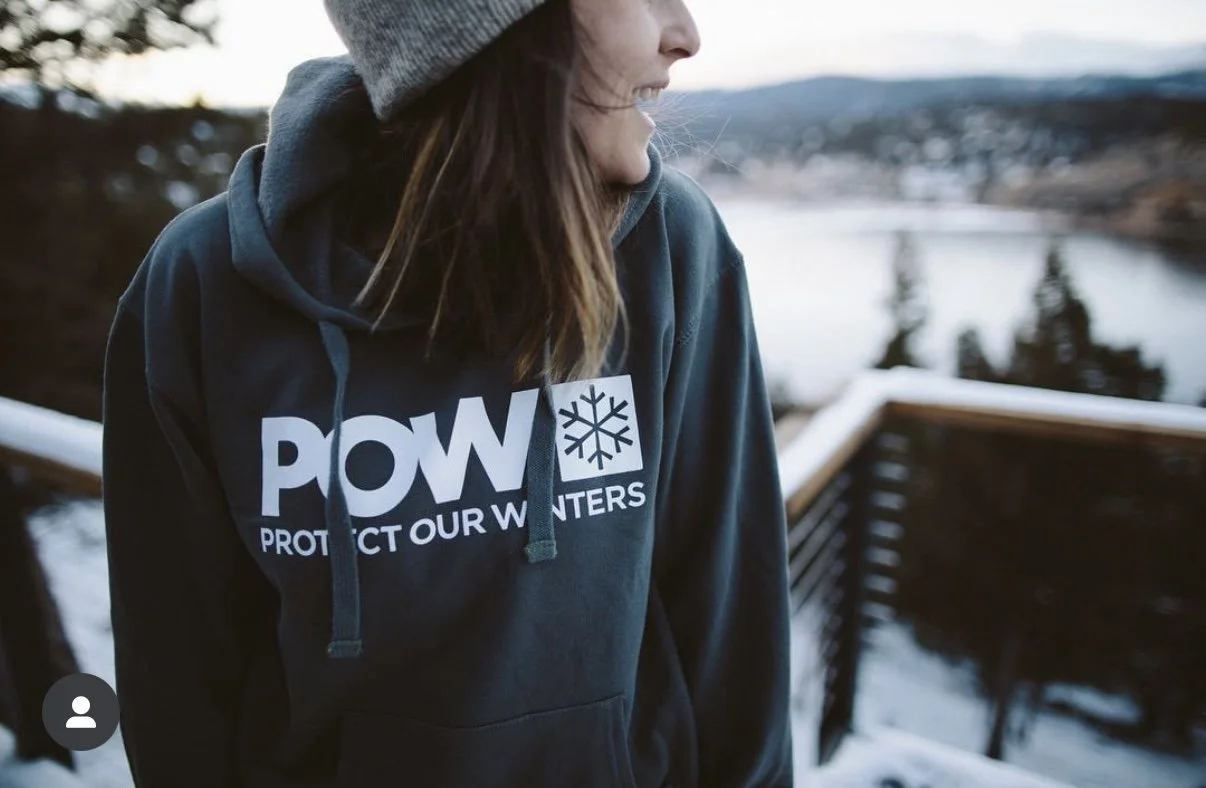
In 2014, Protect Our Winters was a small NGO with big ambitions and very limited resources. I joined as the third full-time hire alongside two executive-level leaders, and for the first two years worked from a windowless basement in Los Angeles. Because we were so lean, I built the brand and community infrastructure from the ground up and wore every hat that came with it.
I’ve often described how we operated Protect Our Winters as more of a marketing agency than a nonprofit, even if our budget said otherwise. That mindset was a big part of why we grew. At the time (and honestly, still today), much of the environmental movement felt stale, and its messages fell on deaf ears. To mobilize a notoriously anti-authority audience, we had to meet our community where they were (sometimes literally at the base of a halfpipe) and speak their language. So we built a network of values-aligned athletes and brands to create mutually beneficial campaigns that lent credibility to each other’s missions while expanding everyone’s reach.
Over nearly five years, I designed and ran the brand and community strategy that turned a fragmented subculture into an organized political force, and POW grew from an little-known nonprofit into one of the most respected voices in the outdoor industry. By the time I left, we were a team of 11 that people regularly mistook for a 50-person organization given our impact. I used to joke that my job was to make caring about climate change cool. I didn’t do it alone, but I think we pulled it off.
The Approach
Know the audience.
Skiers and snowboarders cared about the ski hill, not Capitol Hill. But climate change threatened their lifestyle and the places they loved. That was our way in.
Four principles we built POW's brand around. Everything below is one of them in practice.
Speak authentically.
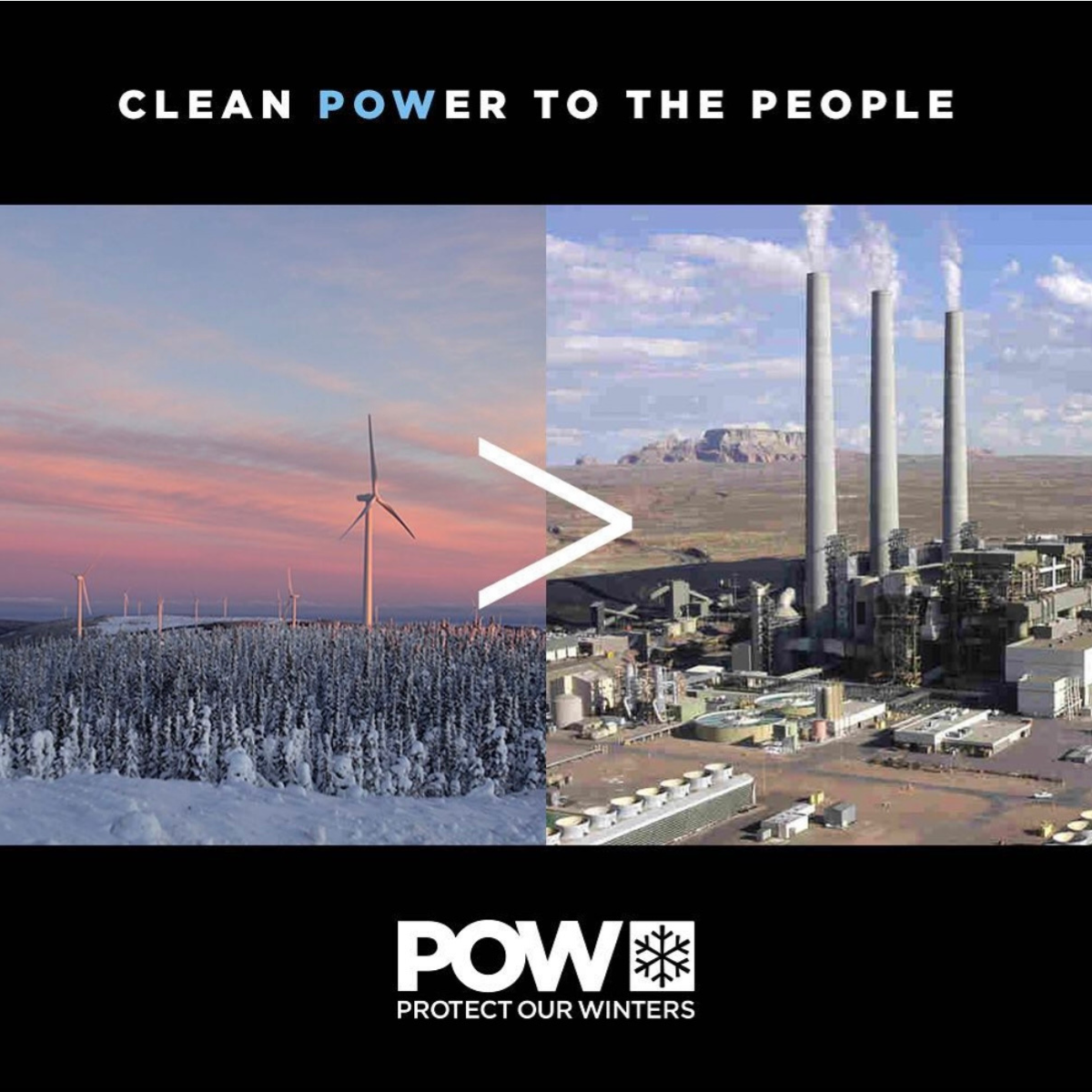
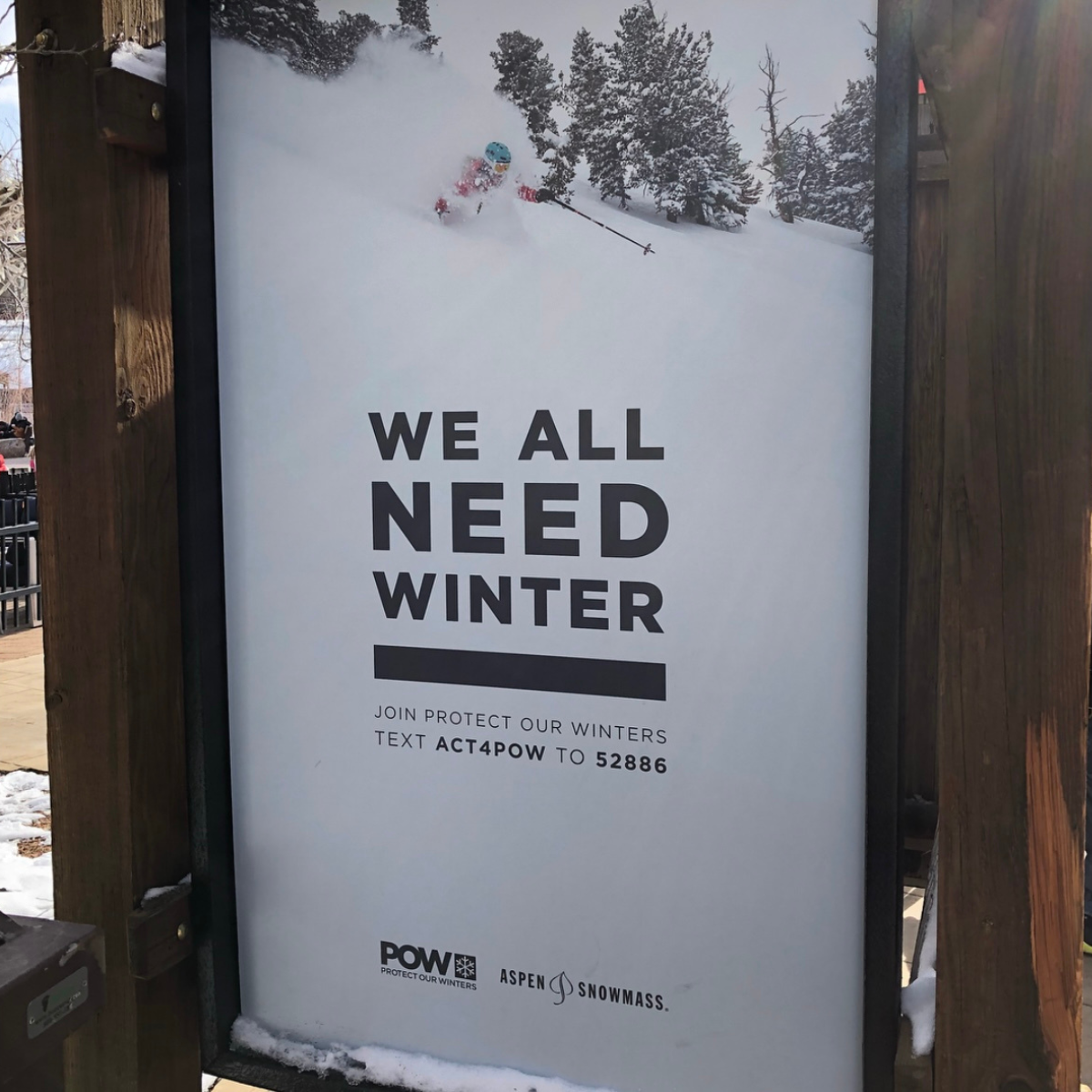
We knew what we stood for, what we offered, and what our unique voice sounded like—educational but never condescending, unapologetically tongue-in-cheek, and driven by a confident, rebellious undertone. In short, we spoke the community’s language across every touchpoint we had.
Use the right messengers.
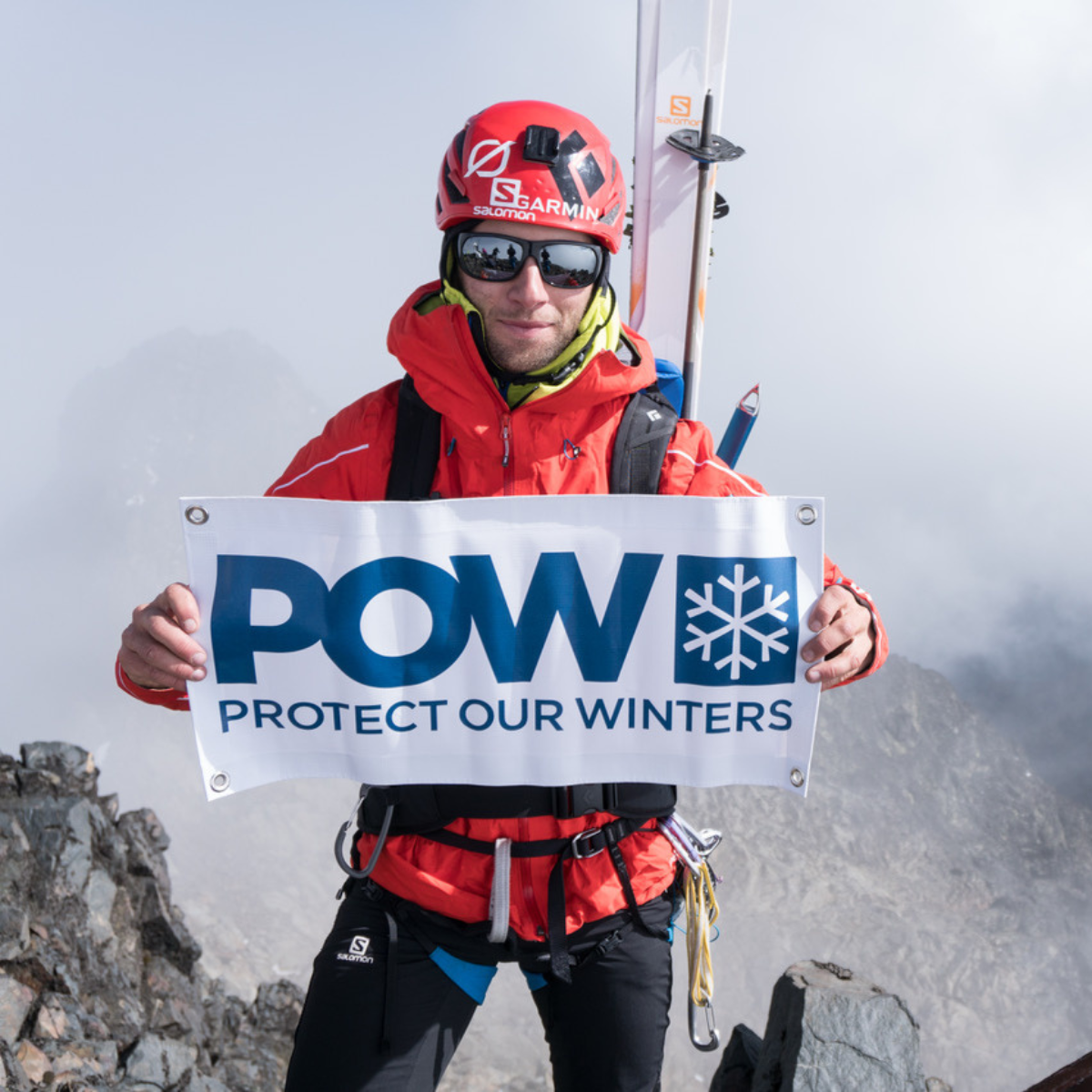
With a small budget and an even smaller team, we had to get creative. Our secret sauce was partnering with athletes, creatives, and brands who shared our values. By leveraging their credibility and massive reach, we delivered our message farther than we ever could alone.
Cultivate cultural currency.
Sustained advocacy requires deep cultural alignment. We built a community where engaging with POW wasn’t a chore; it was a badge of honor. It allowed our audience to celebrate their passion for snowsports while signaling that they cared about a purpose far bigger than the mountain.
Know the audience.
-
In 2014, climate was a subject the outdoor industry didn't touch. POW's founder and leadership had the mission and the conviction. What the organization didn't have was a strategy for reaching a subculture that had its own language, no interest in policy, and a deep suspicion of anyone trying to sell it something.
-
Working with the founder (a professional snowboarder) and the executive team, I shaped the strategy for getting POW's message to an audience that I myself was a part of, which made my role easier in a sense. I knew I had to make POW credible, consumable, and cool. I did a lot of listening—to our partners, our athletes, and the people I was meeting at film premieres and ski and snowboarding events. What was their knowledge base, where could we fill those gaps, and what was their appetite for advocacy? I could take what I learned and directly apply it to our approach.
I led with winter instead of policy, connected climate to their everyday lives (threatening the thing they loved most), and made asks people would and could actually do. Then I executed it across every channel we had.
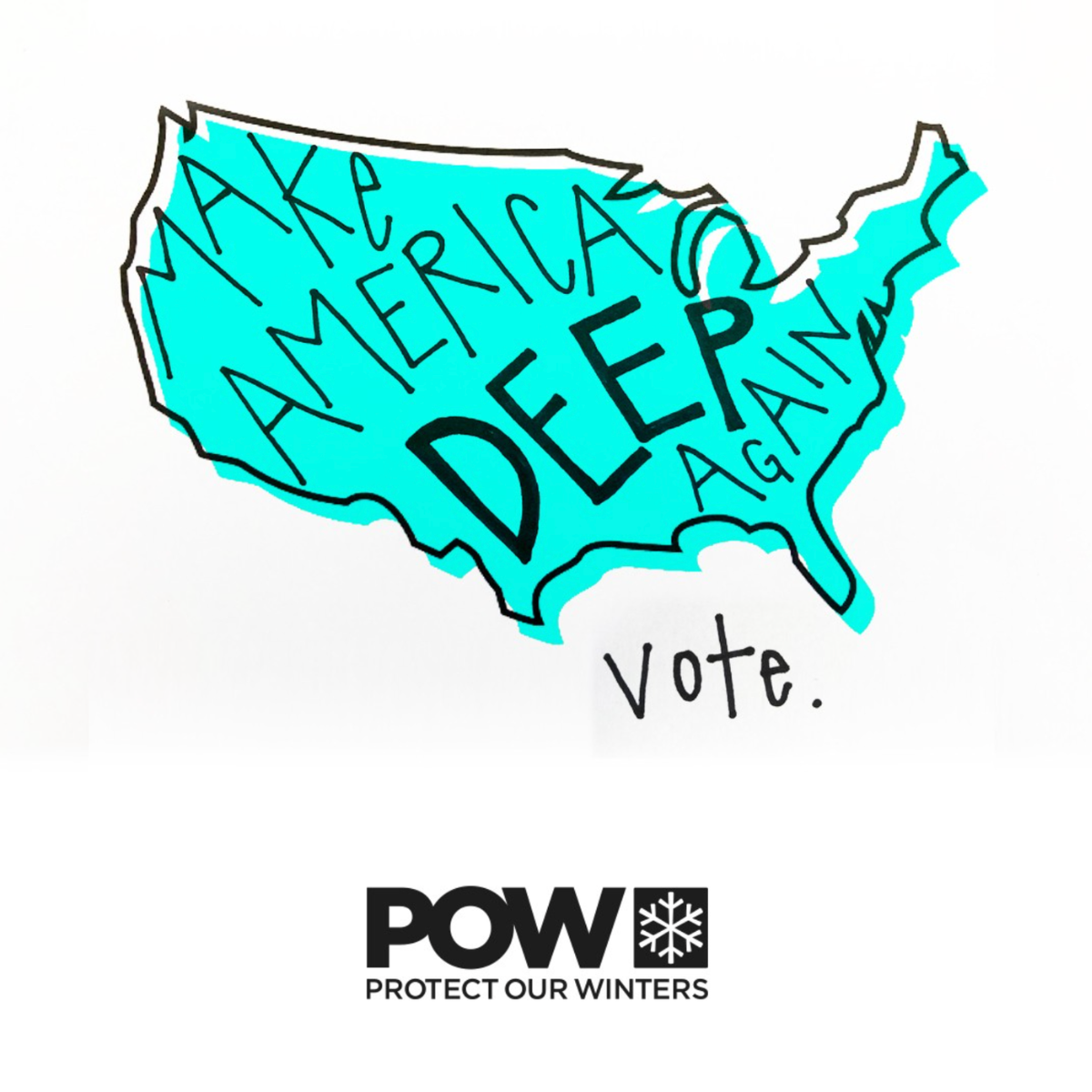
When POW added a 501(c)(4), I built the Action Fund's brand on that foundation, starting with the name. POW AF was chosen for exactly the reason you think, and the audience got it immediately. Everything else about the brand followed from that tone: direct political work that still felt unmistakably POW. -
A brand that could hold a fragmented subculture together as a political force. That approach carried POW from a three-person operation to eleven and gave it a second entity, the Action Fund, that could enter electoral work for the first time.
Audience strategy
Role: Led audience and go-to-market strategy alongside POW's founder and executive leadership; owned execution · 2014–2018
Speak authentically.
Positioning, voice & identity
Role: Led positioning strategy with POW's founder and executive leadership; owned brand voice and social; directed visual identity with POW's designer
Key metric: 400% growth in organic social audience
-
In 2014, nobody in the outdoor industry was talking about climate, and POW was still figuring out what it was. The early years were about education and engaging the community; the shift toward advocacy, and the policy hire that came with it, came later. So the position wasn't fixed. It had to be shaped while the organization grew into it, for a community whose whole identity was about having fun and bucking convention. Come in too heavy and they'd tune out; come in too light and nothing would happen.
-
My part was the how, and it evolved with the organization. Working with the founder and executive team, I shaped how POW presented itself at each stage: first as the place the outdoor community learned about climate, then, as we added policy capacity, as its political voice on it. What stayed constant was the job of making the message credible, consumable, and cool. I executed that across every channel we had. I built POW's voice around a rebellious undertone, something designed to galvanize rather than lecture. Tongue in cheek, hard hitting, and always human. It gave people a way to care about climate without it feeling like homework, and it gave athletes and partners a tone they could actually match. I held that voice everywhere the brand showed up: social, merchandise, events, partner co-branding, and the toolkits and talking points that let 100+ athletes speak on climate in their own words. The visual identity was built alongside it, with me setting the direction and our designer bringing it to life. He was the one person I could hand a half-formed idea to and get back something better than I'd pictured, and most of what people recognize as POW's look from those years came out of that back-and-forth. The identity went down to the details: the hand lettering on holiday posts and some of the merchandise is mine, which our designer periodically threatened to turn into a font. I ran the social channels as the place the voice lived day to day.
-
Social audience grew 400% over four years without a dollar of paid promotion — we never had a social budget, and never needed one. The voice held across a partner network that included Patagonia, The North Face, and Burton. Over those years, colleagues, partners, and athletes took to calling me the voice of POW. I don't say that lightly; a voice that specific is hard to hand off, and it's the part of the work I'm proudest of.
Use the right messengers.
Athletes, creatives & brand partners
Role: Grew and activated the Athlete Alliance; conceived and built the Creative Alliance; partnership activation and relationship management
Key metric: Athlete Alliance grew from a couple dozen to 100+ with a social reach of 10M; Creative Alliance added 3M; partnerships brought in roughly $500K annually
-
A skeptical audience won't take a brand's word for anything, and POW had no budget for paid media. What it had was a founder who was a pro snowboarder, an Athlete Alliance of a couple dozen names he'd brought in, and a community that already trusted those people. The message had to travel through voices with their own audiences, both the athletes people followed and the brands whose gear they wore, and it had to get there without POW paying for the reach.
-
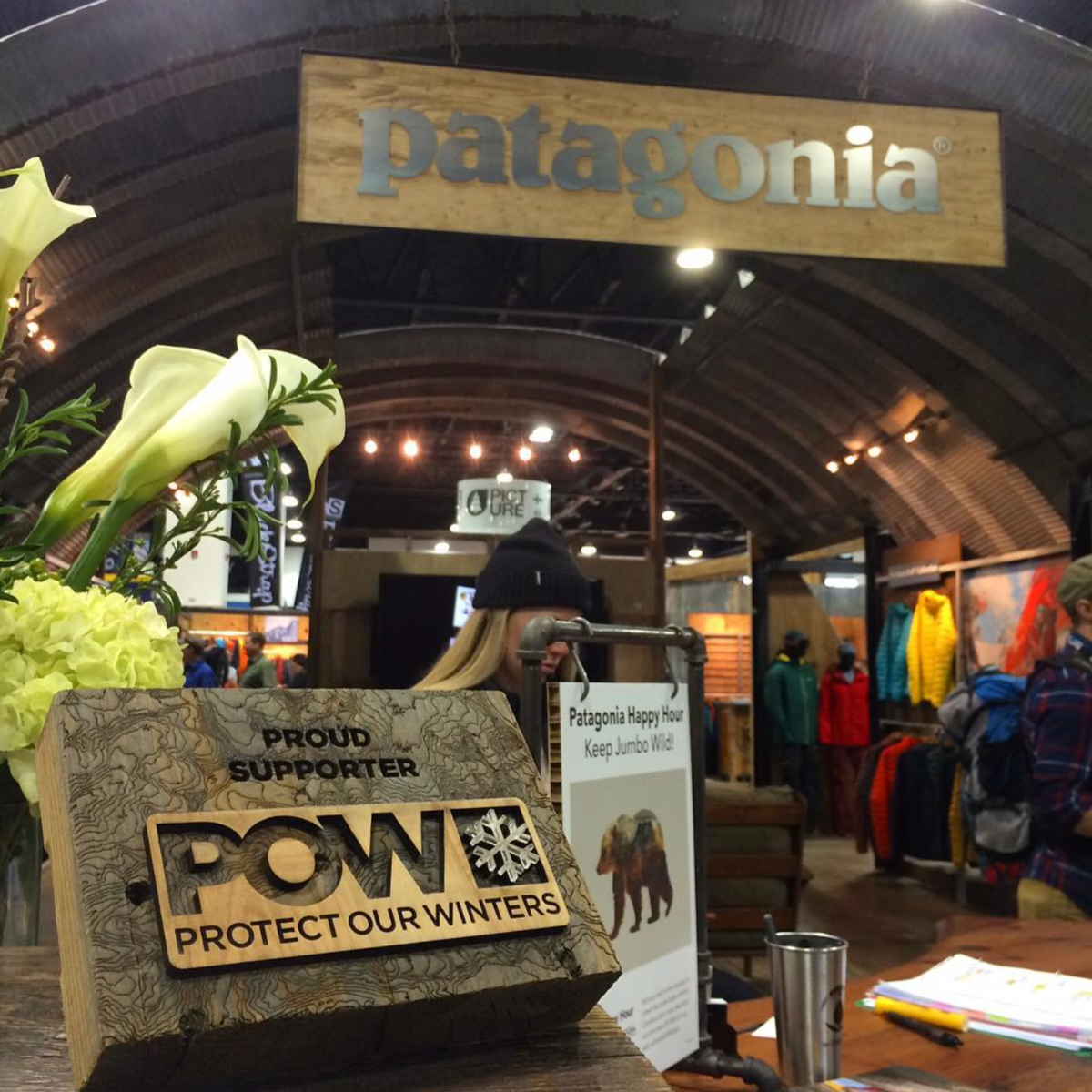
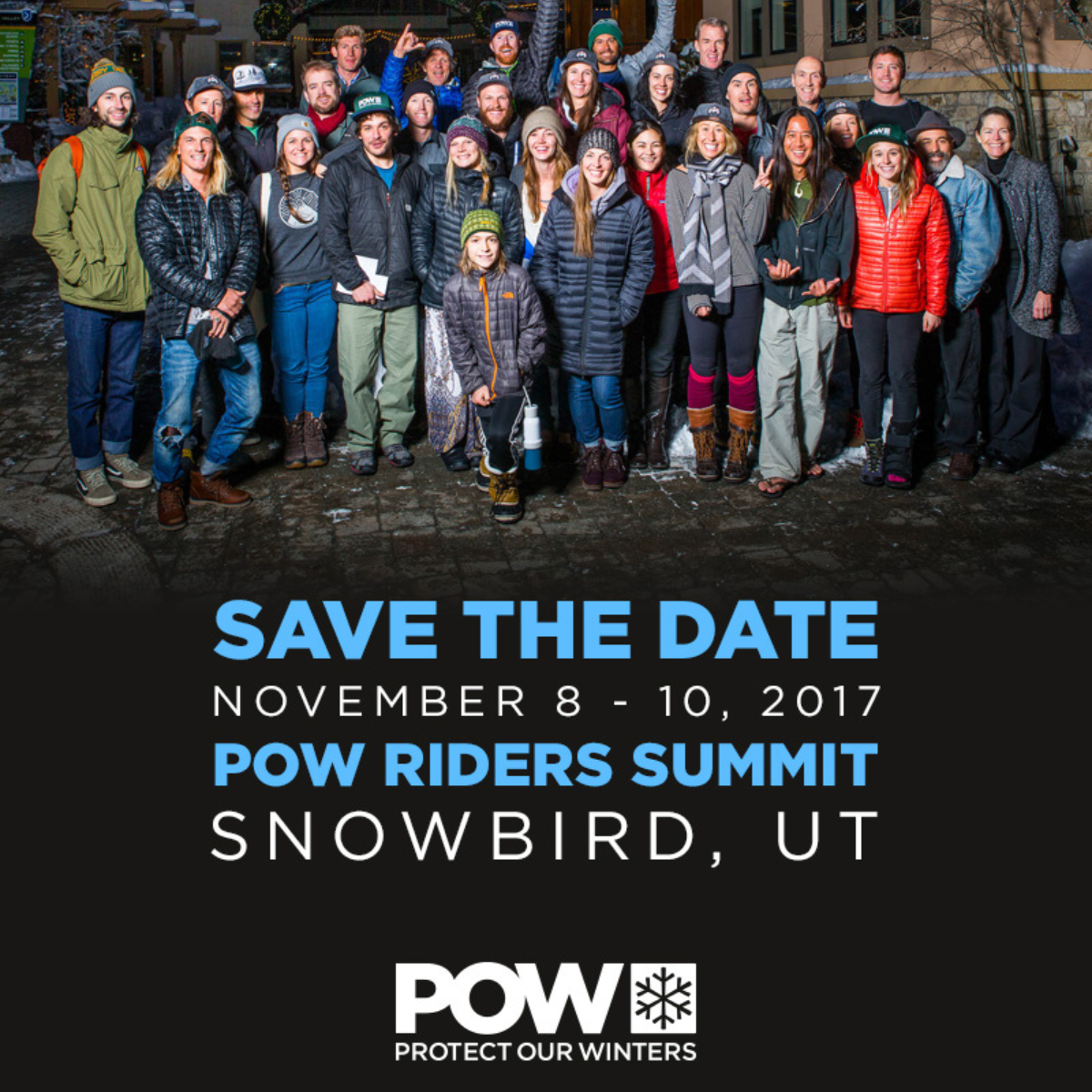
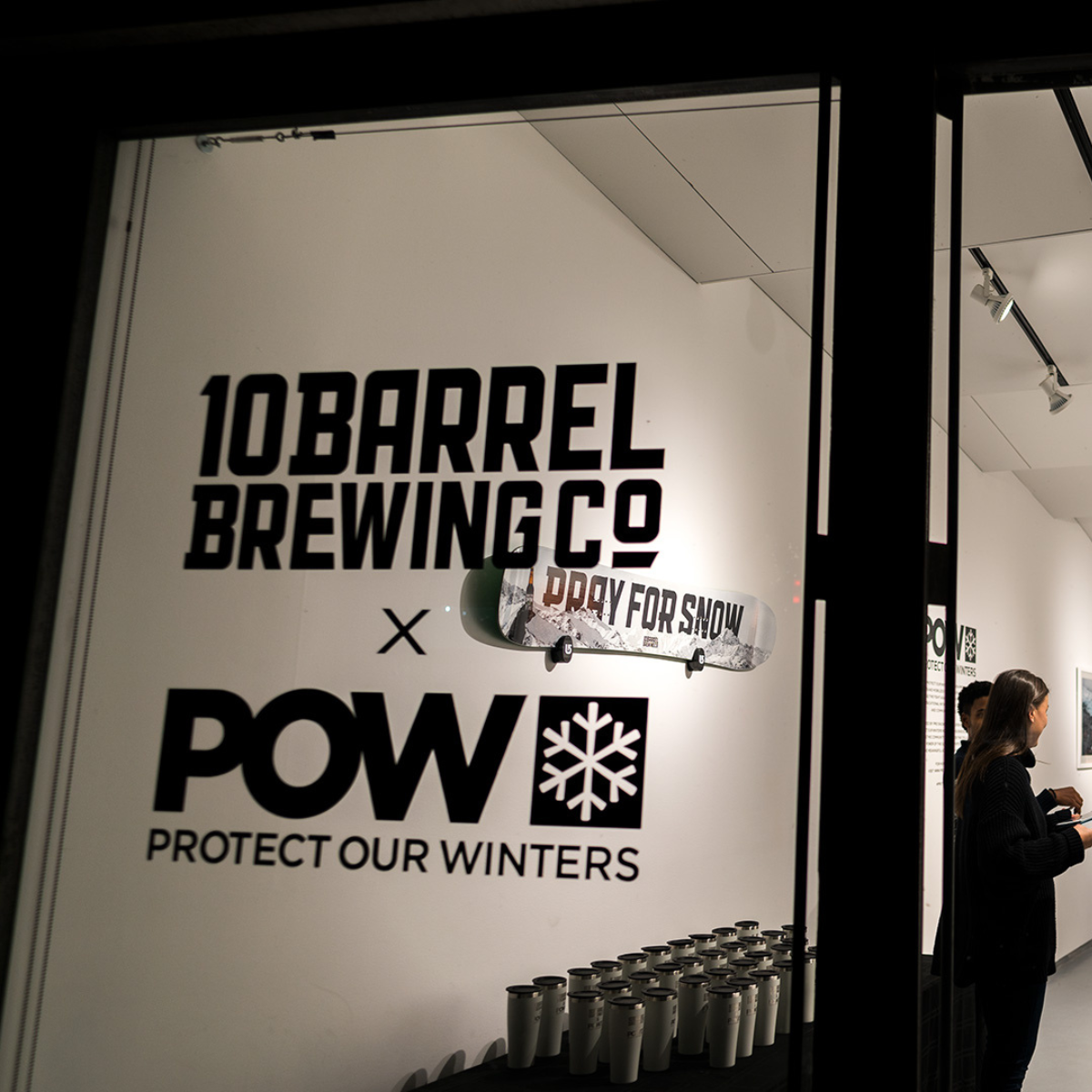
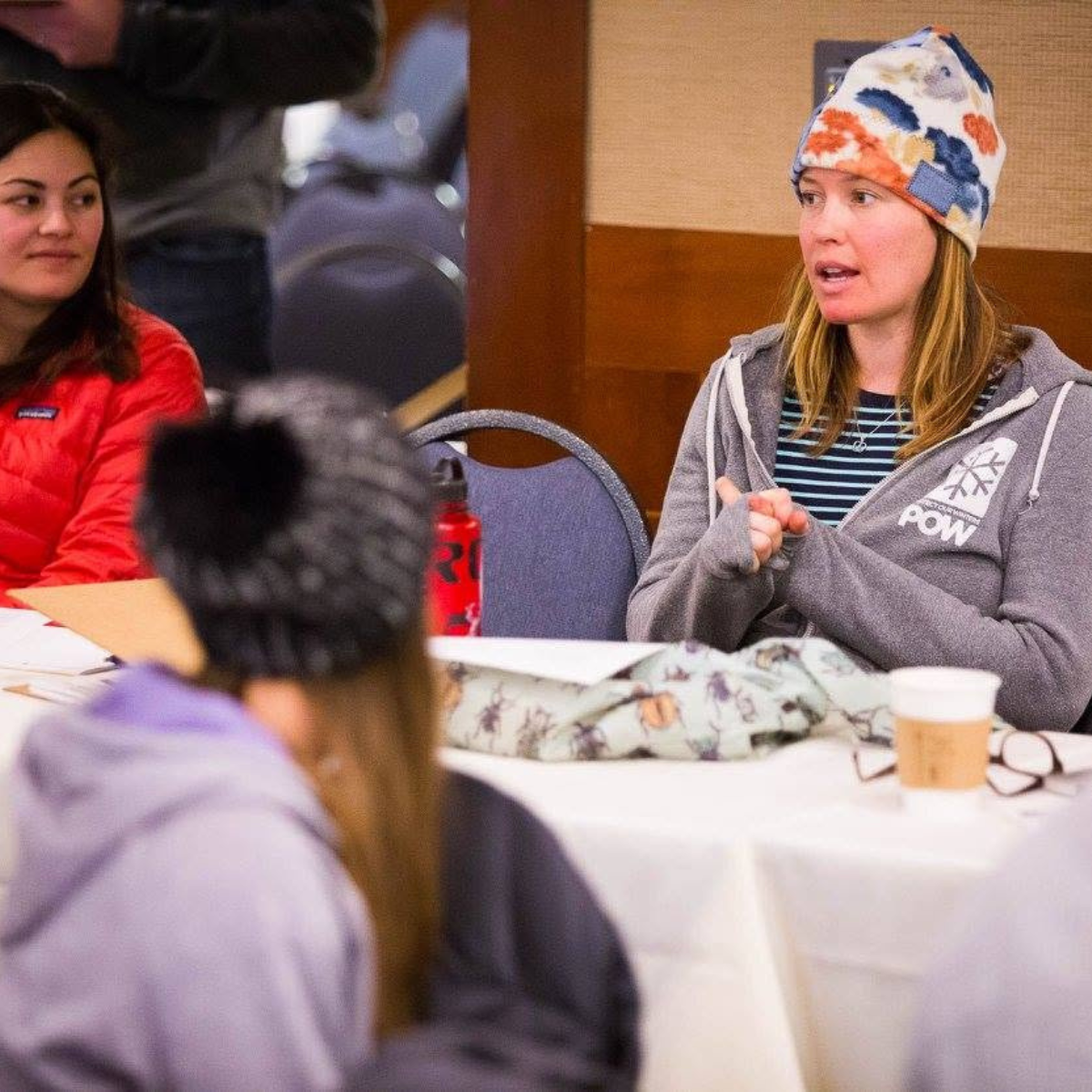
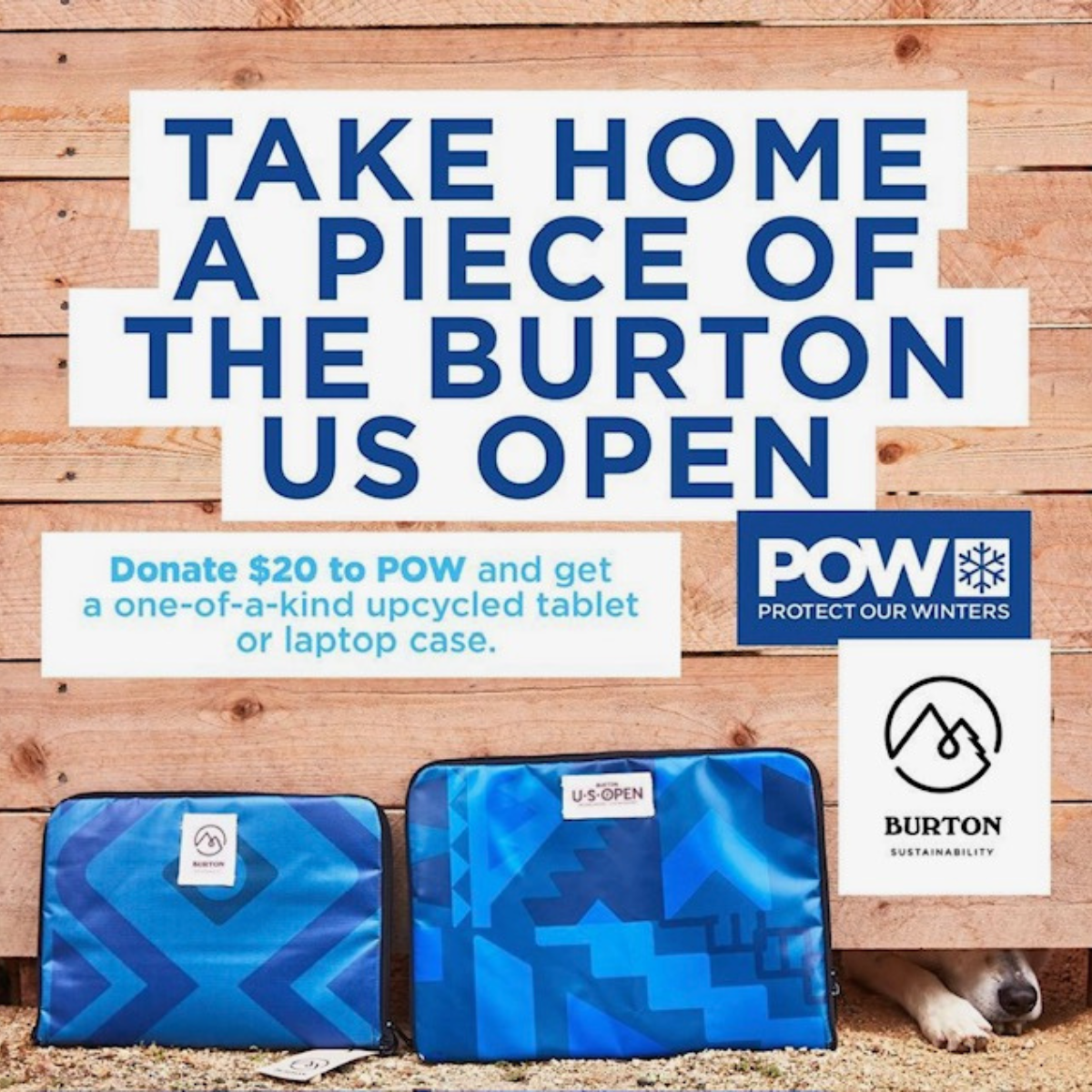
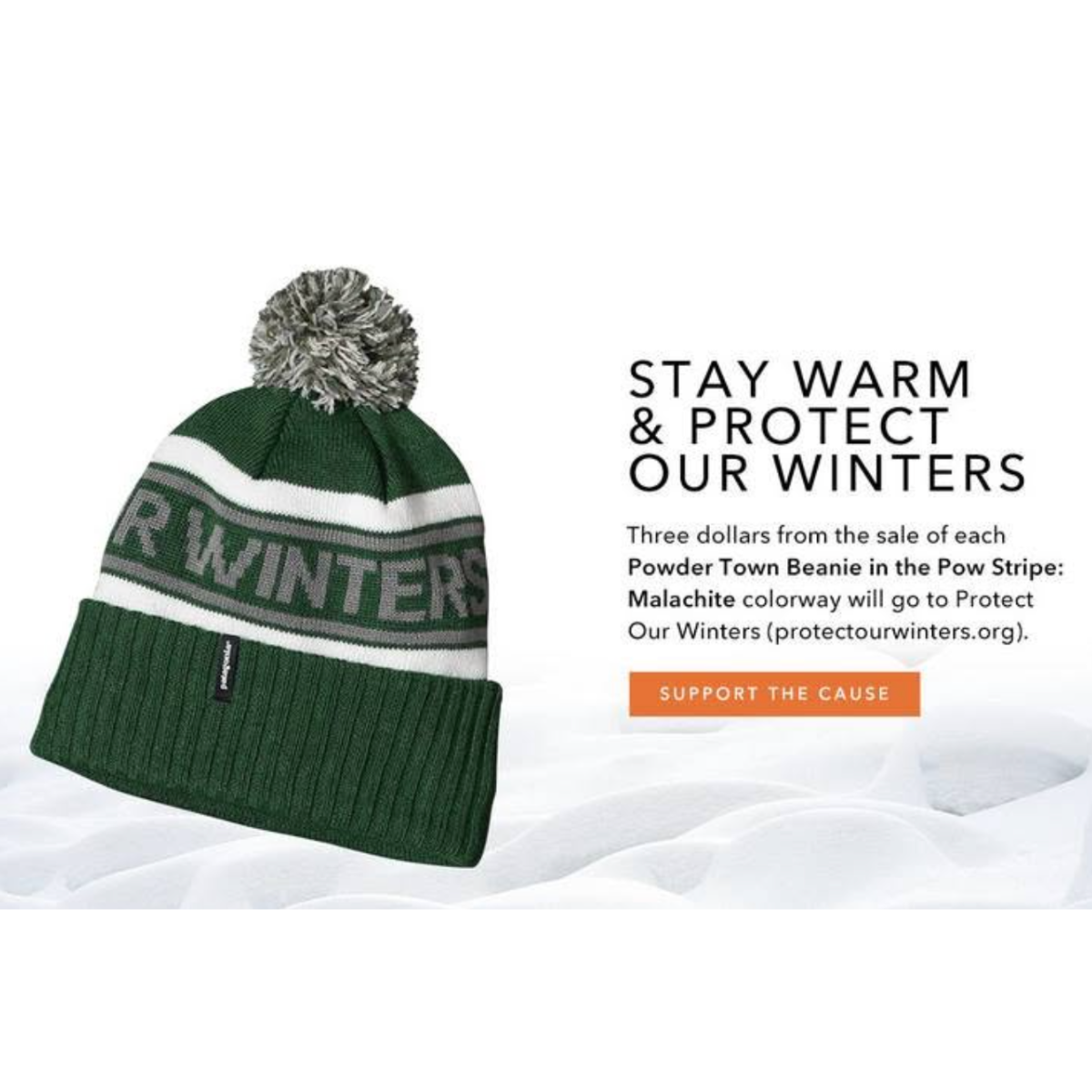
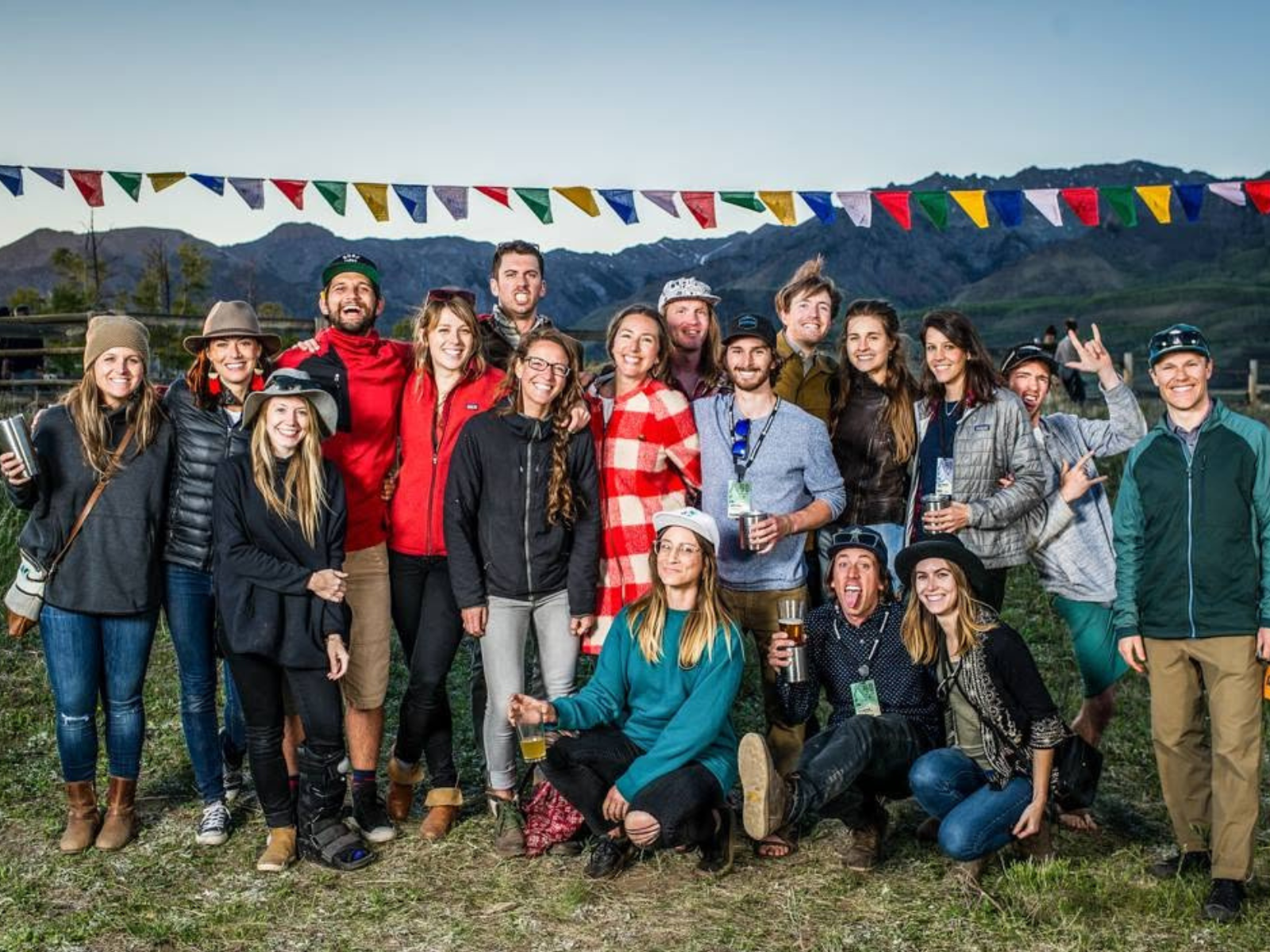
The whole approach was borrowed audiences, earned through relationships. I took the Athlete Alliance from a couple dozen members to more than 100 and built the framework that turned it from a roster into a channel: the Athlete Summits at Snowbird, Palisades Tahoe, and Yosemite, where athletes got the science and the tools to speak on climate credibly, plus toolkits and talking points for their own feeds. Alongside it I conceived and built the Creative Alliance from nothing, recruiting filmmakers and photographers for their talent as much as their reach. They became POW's creative bench: the people I could call to shoot a film, photograph a summit, or fly to DC to document a lobby trip, and who then shared that work with their own audiences. On the brand side, I worked directly with partners on product, retail, and campaigns so that POW showed up in their channels, not just ours. The Patagonia relationship became a three-year flagship: POW was the only nonprofit Patagonia co-developed a product with, ending in a full co-branded capsule collection. All of it, athletes, creatives, and partners, was relationship work: showing up, following through, and making it easy for people to carry the message.
-
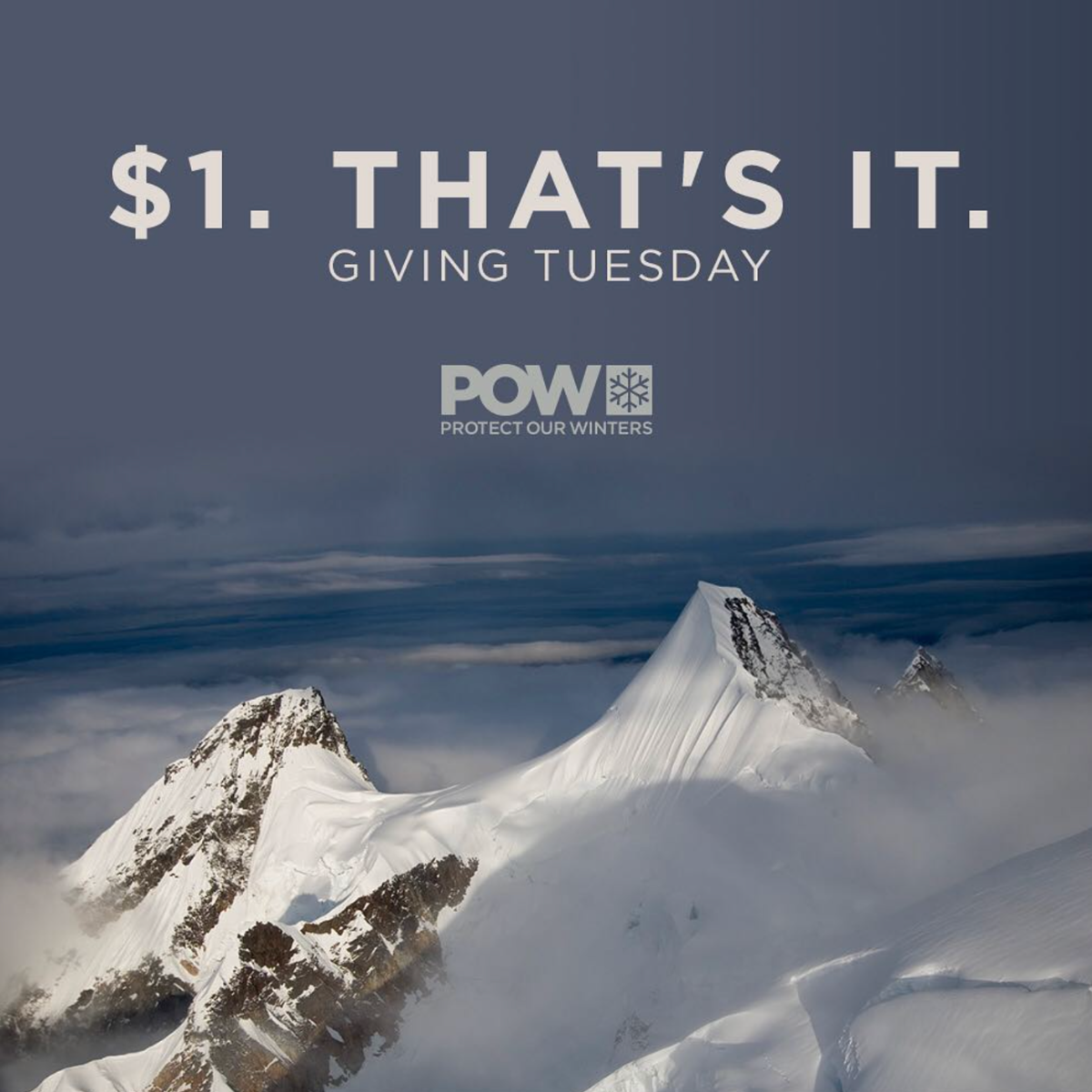
13M in combined social reach through athletes and creatives, none of it paid. Roughly $500K a year through partnerships, including $40K annually from the Patagonia collaboration alone, plus Worn Wear tour proceeds and Giving Tuesday matches. Board members opened some of those doors; what happened after the door opened was mine.
Cultivate cultural currency.
Events, field advocacy & merchandise
Role: Strategy and production for events and field advocacy; built and ran the merchandise program end to end
Key metric: Hundreds of events over four years, nearly all self-funding; thousands of voters registered; merchandise revenue quadrupled to $250K a year
-
Skiers and snowboarders were individuals who shared a sport, not a cause. Traditional advocacy felt like homework to a young, action-oriented crowd, and calling your lawmaker was a foreign concept: most people had never done it, didn't know it mattered, and had no idea what they'd say. POW had no budget to compete with corporate event spending at trade shows, and the merchandise was a handful of branded pieces with no program behind it. The job was to turn a lifestyle into a community, and the community into a political force.
-
I designed everything around meeting people where they already were and making the next step easy.
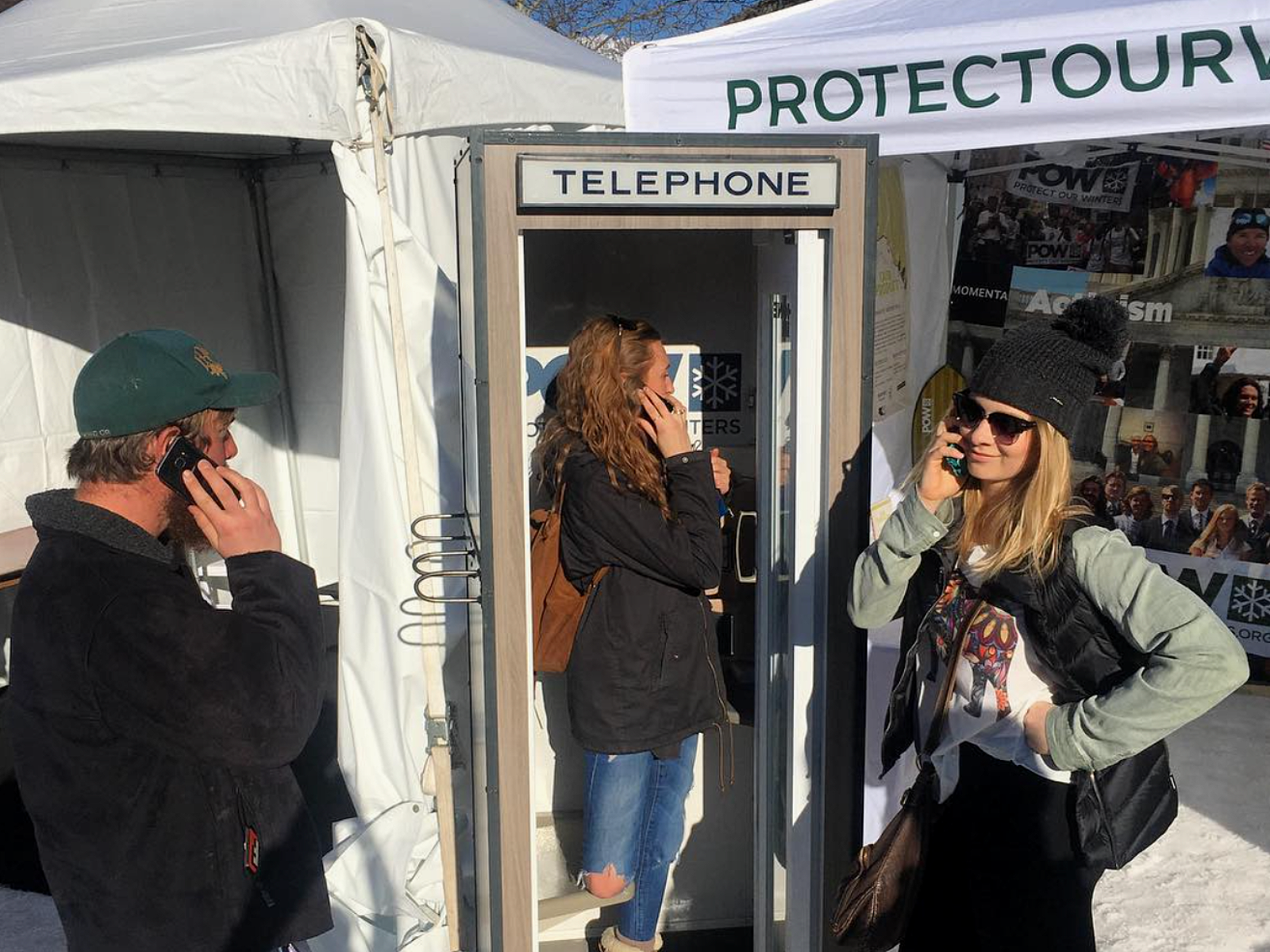
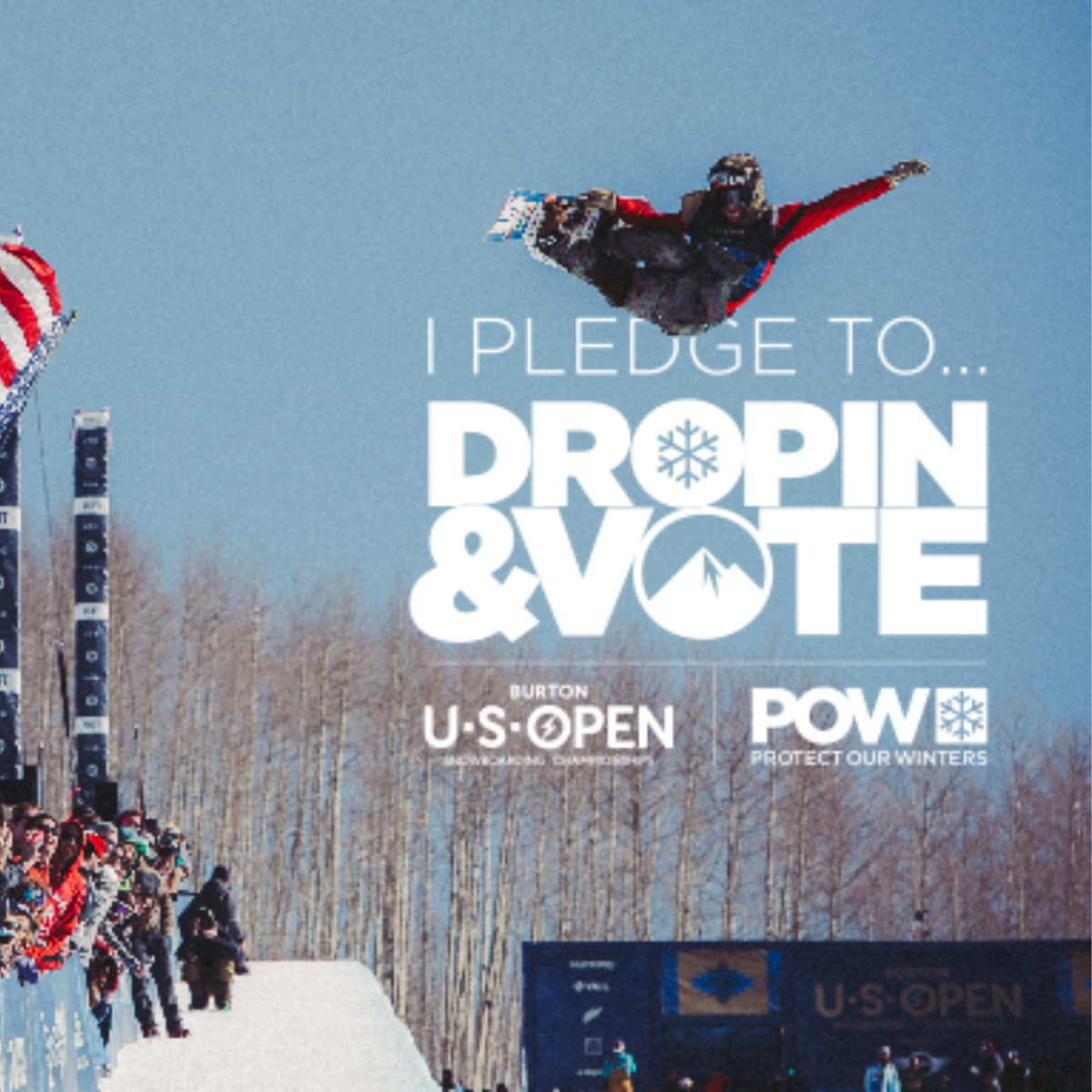
At the Burton US Open, I tapped into the novelty of a phone booth, betting it would make people stop out of sheer curiosity, and had one built for our activation at the base of the halfpipe. I outfitted it with League of Conservation Voters scorecards, flip phones pre-programmed to lawmakers, and a script on the wall, so a rider in full gear could call their representative in two minutes. It worked well enough that I eventually sourced a vintage booth off Craigslist, wrapped it in POW branding, and toured it across Colorado.
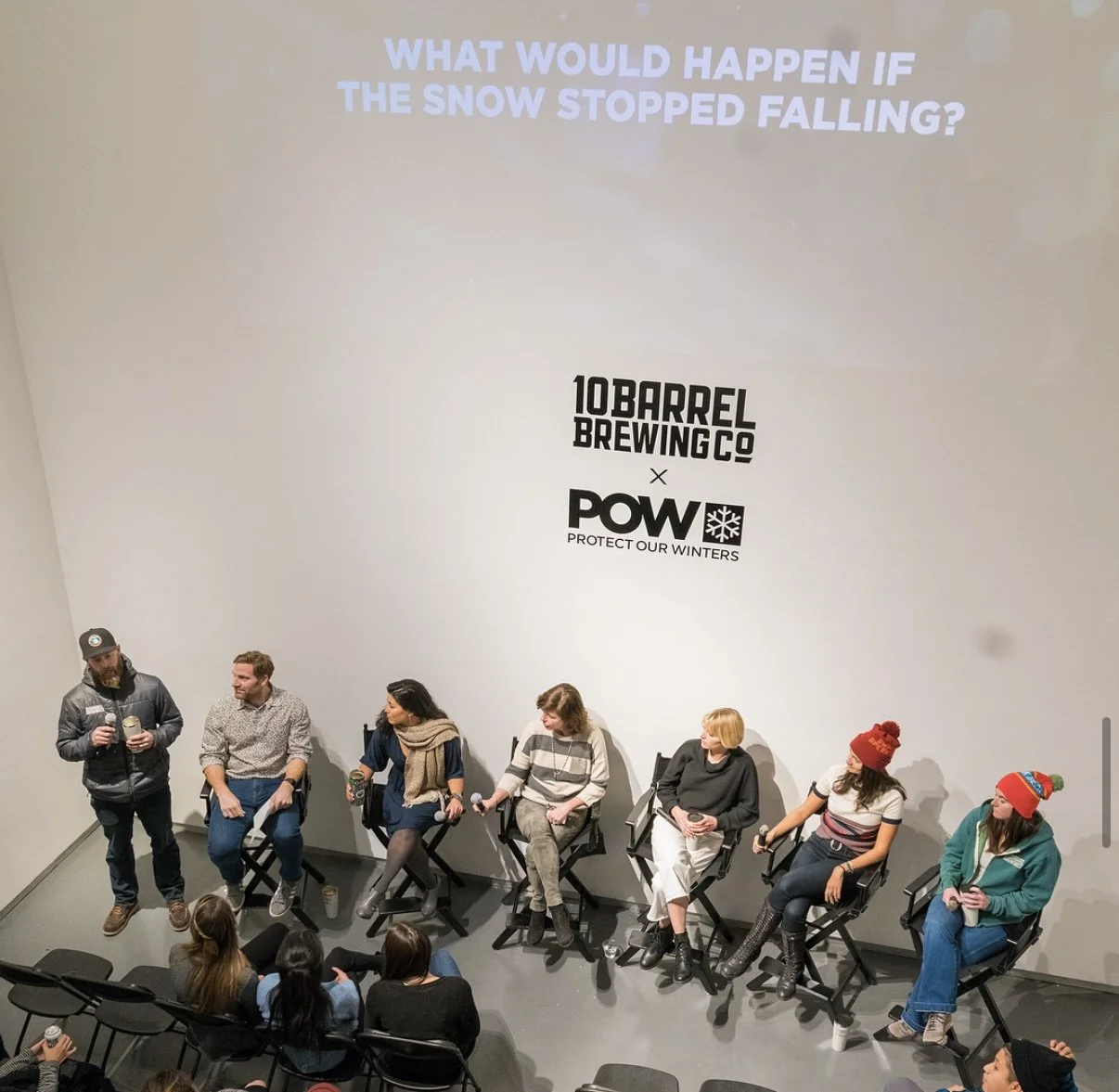
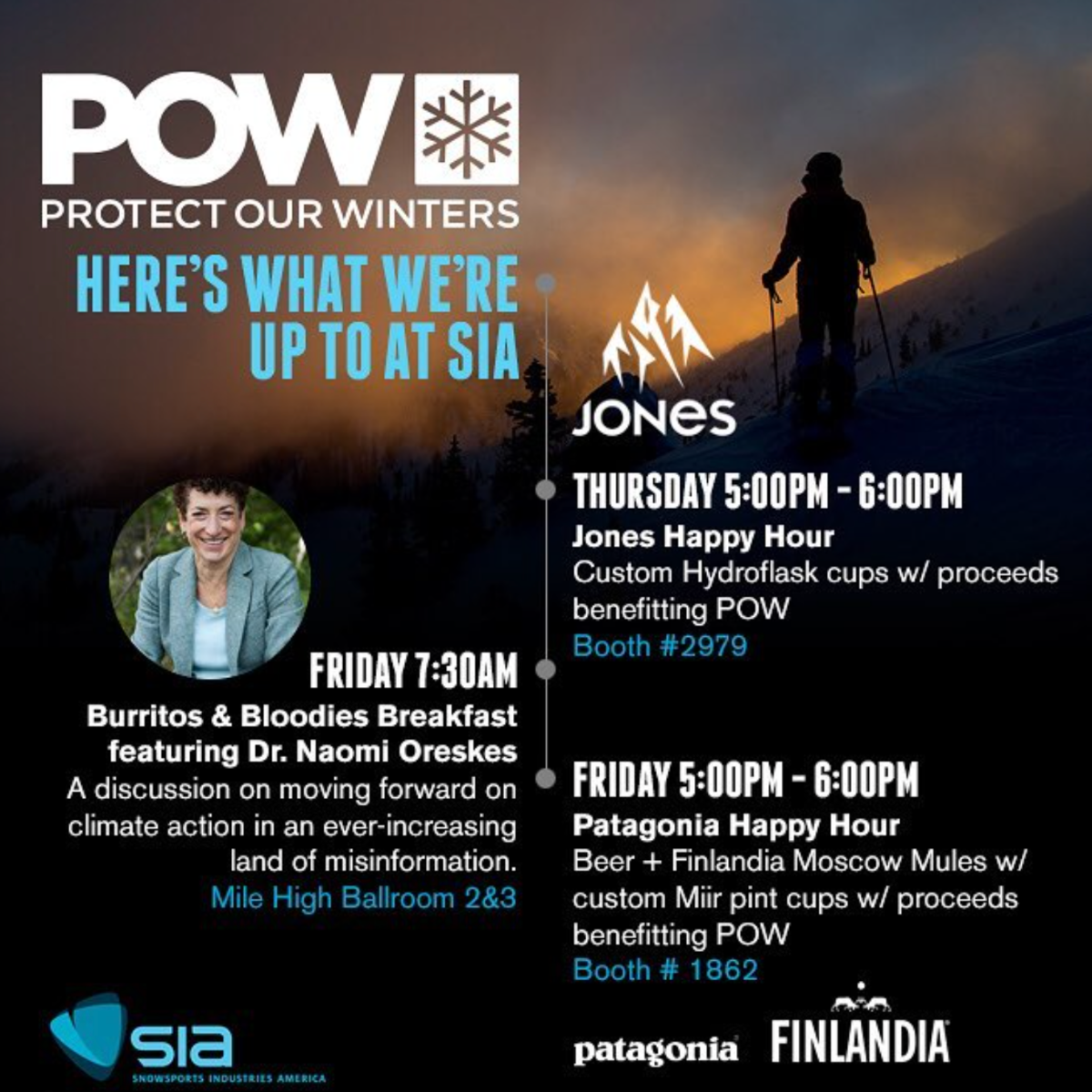
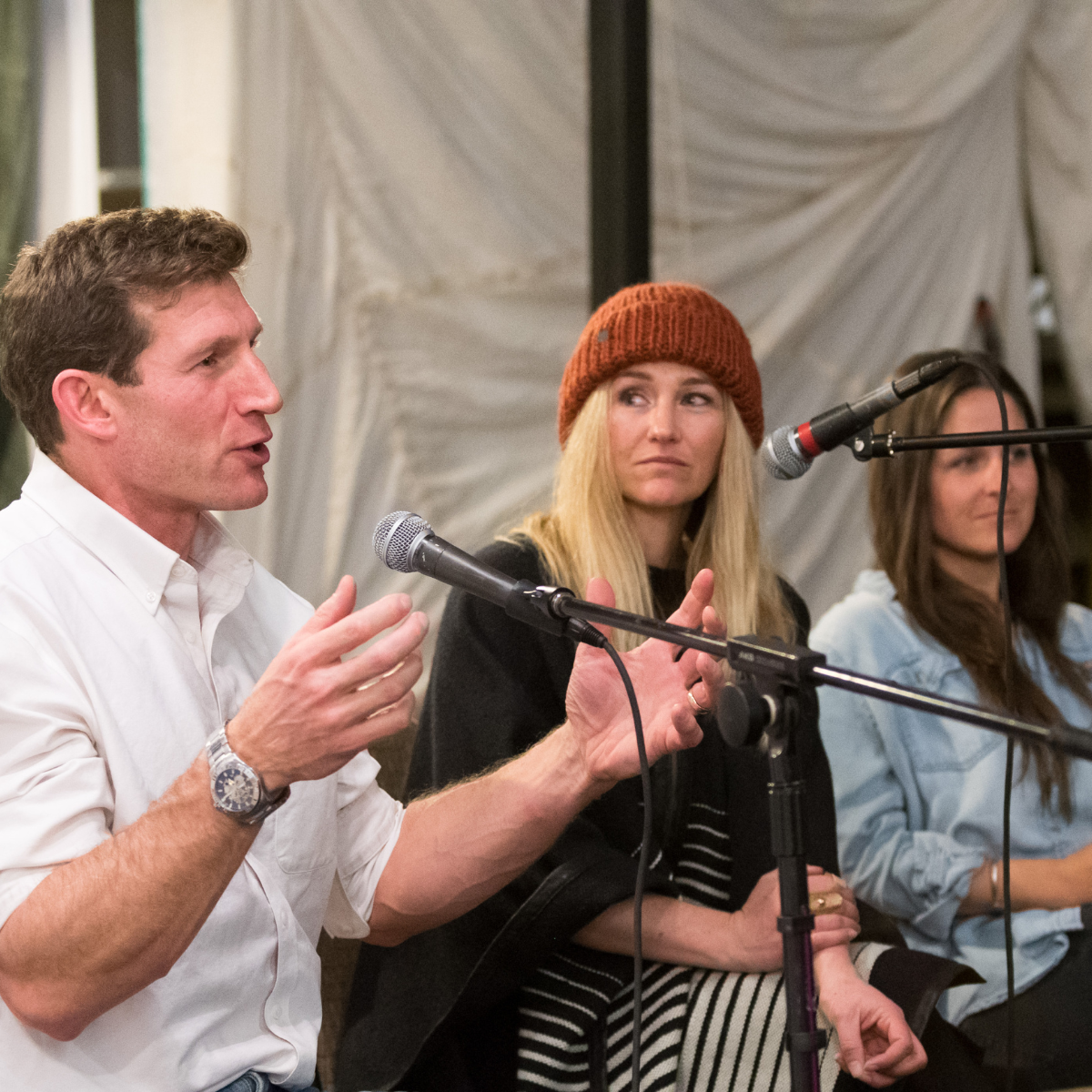
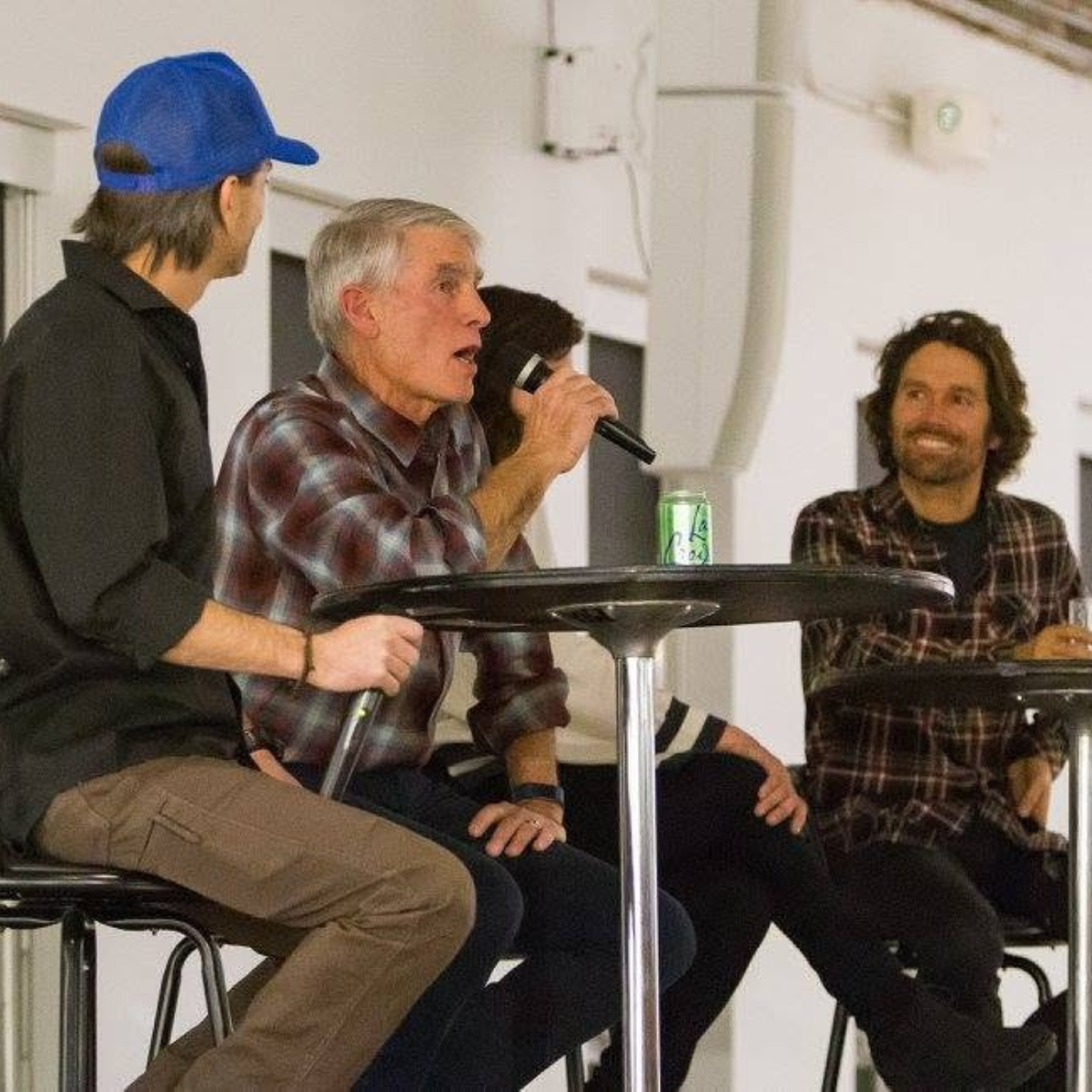
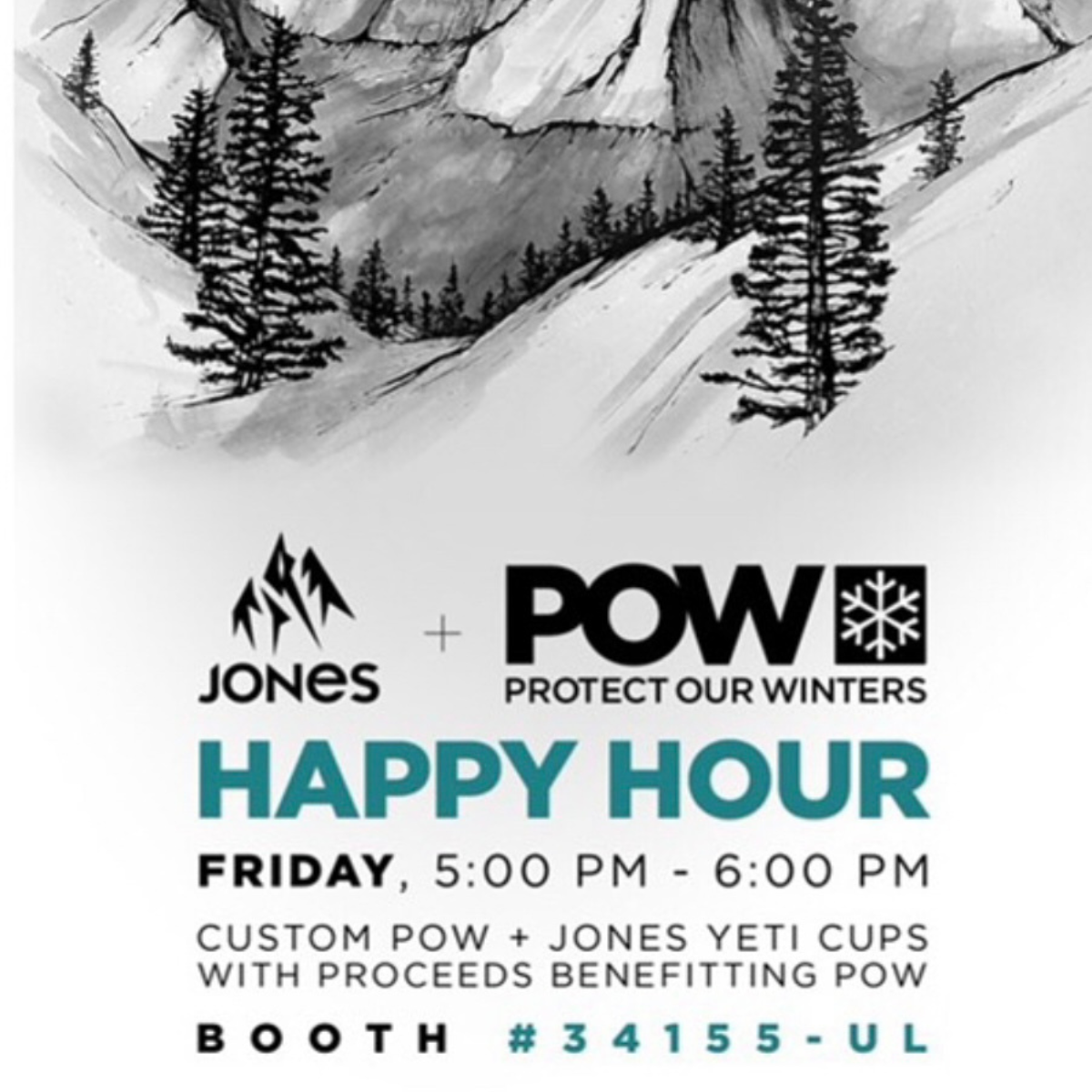
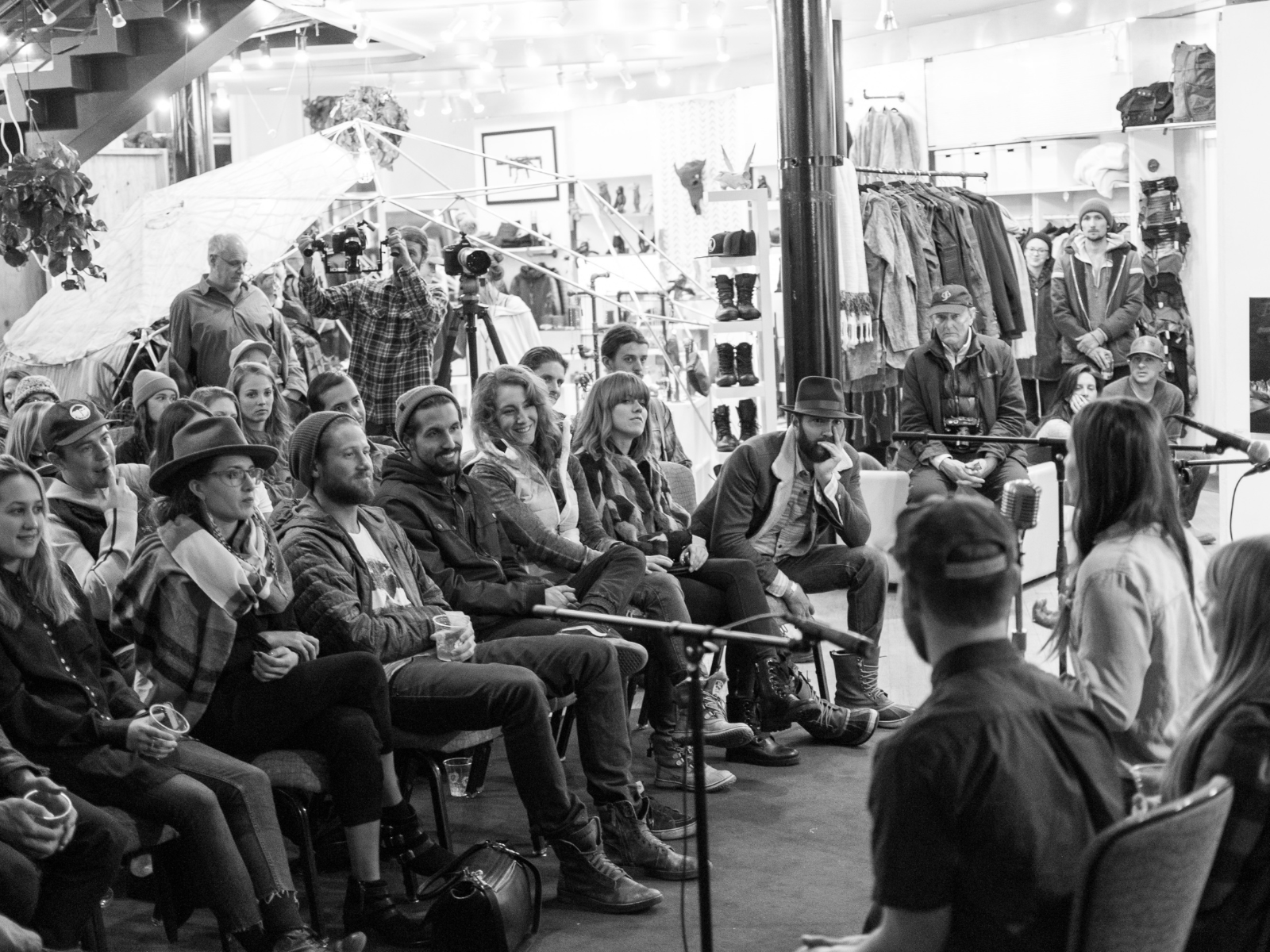
At outdoor trade shows, I ran multiple tracks. For show attendees, I conceptualized an educational breakfast series called Bloodies & Burritos — all we could afford from catering was breakfast burritos, and Finlandia was a sponsor — that put climate scientists and executives like Harvard historian Dr. Naomi Oreskes and Tesla VP Diarmuid O'Connell in front of industry leaders, betting that a notoriously party-loving community would show up at 7:30am for heavy content if you offered them a little hair of the dog. I was right, and it became an annual staple. Alongside it I coordinated multiple happy hours with brand partners, often concurrently, that worked as both awareness drivers and fundraising engines. In my final year, I conceptualized, pitched, and produced a standalone panel at Outdoor Retailer with U.S. Senator Mark Udall, Burton CEO Donna Carpenter, and POW founder Jeremy Jones — owning the whole lifecycle from venue and budget to collateral, sponsor curation, and staffing.
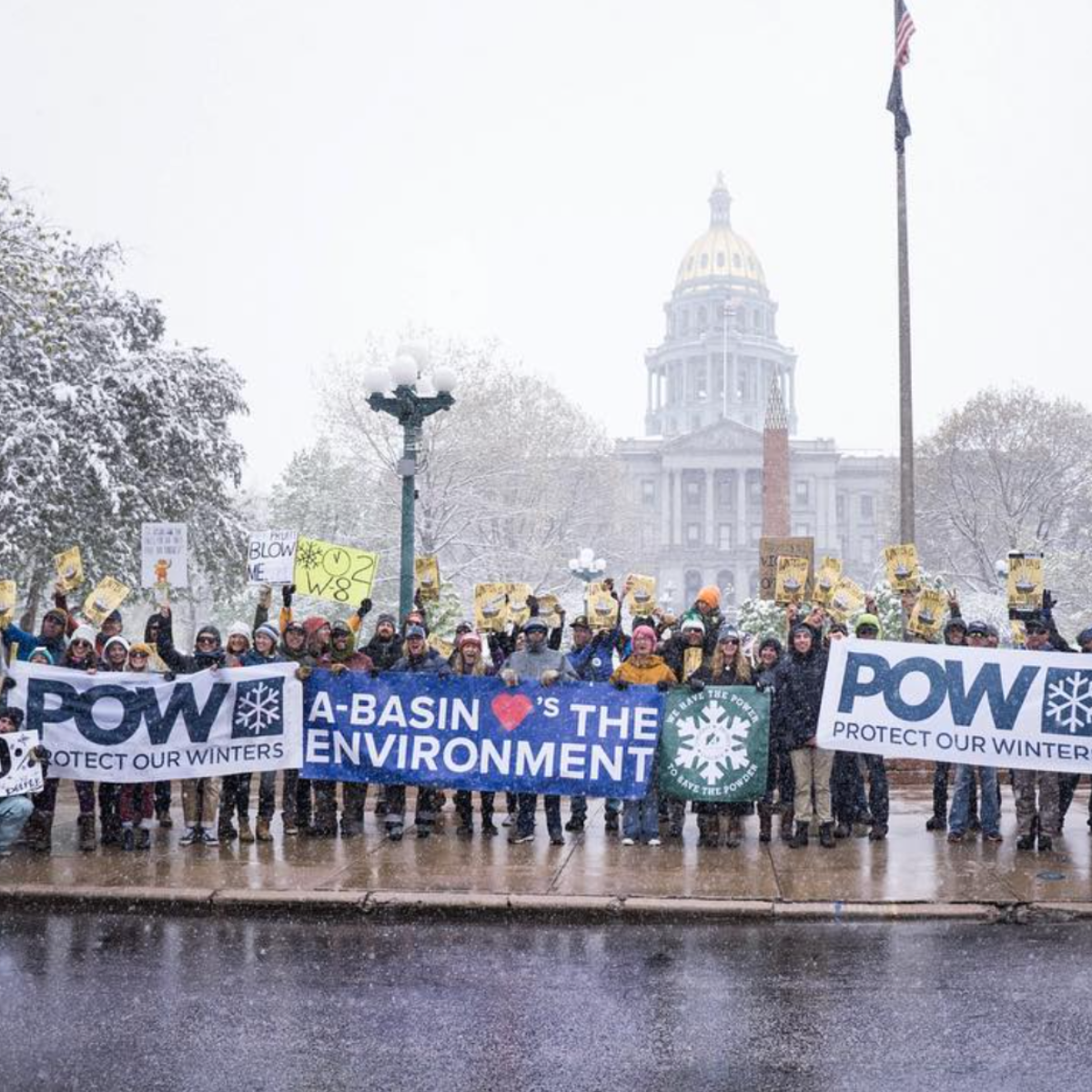
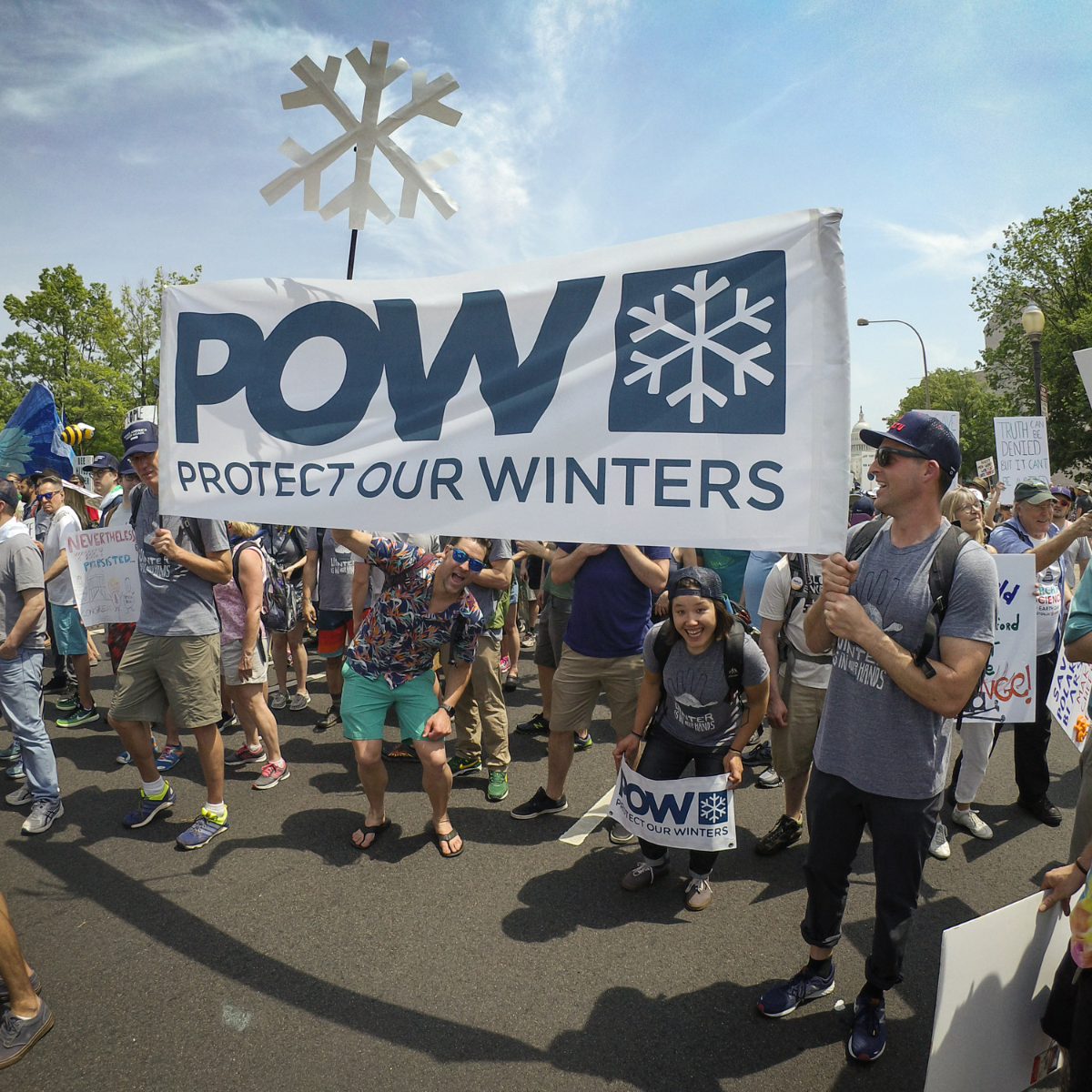
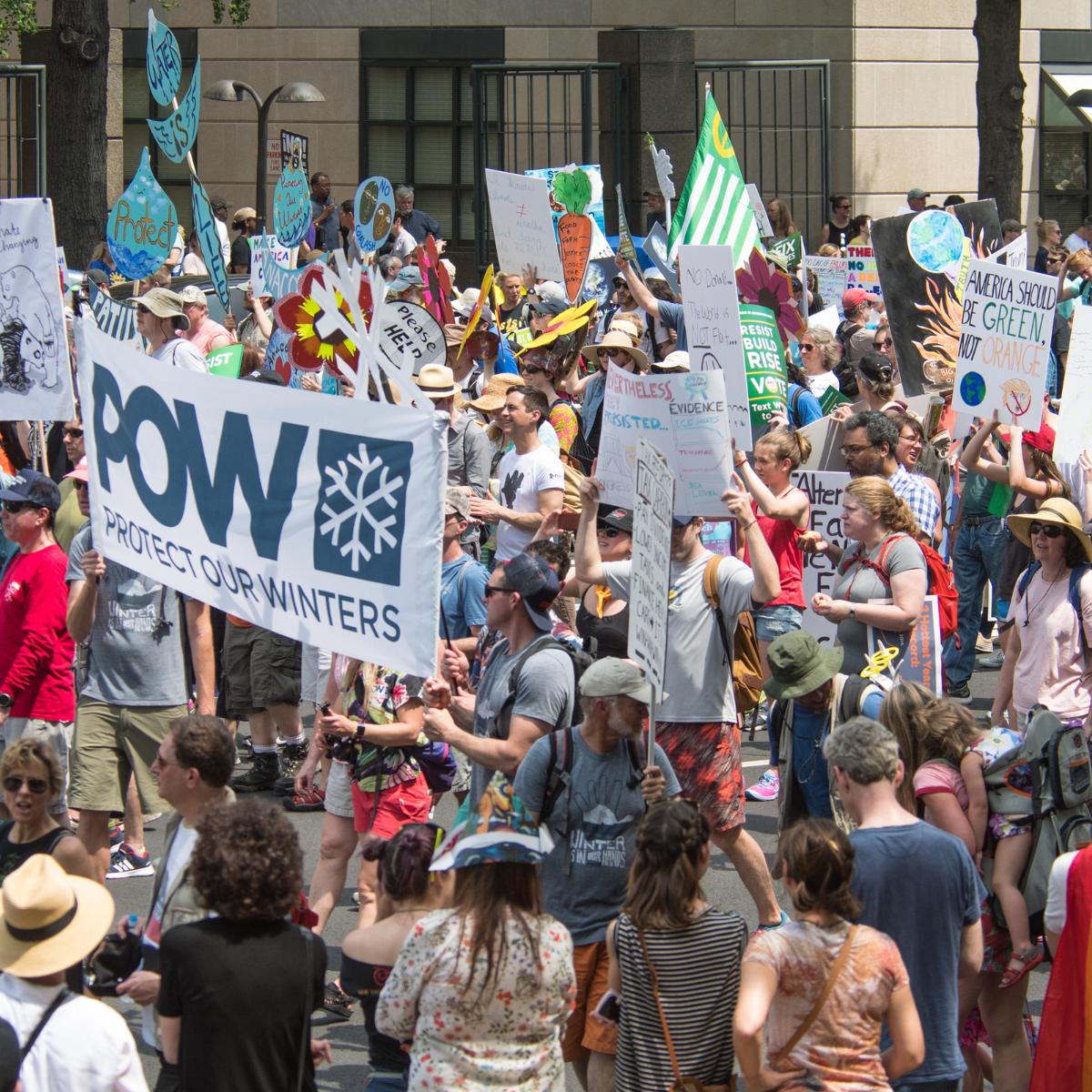
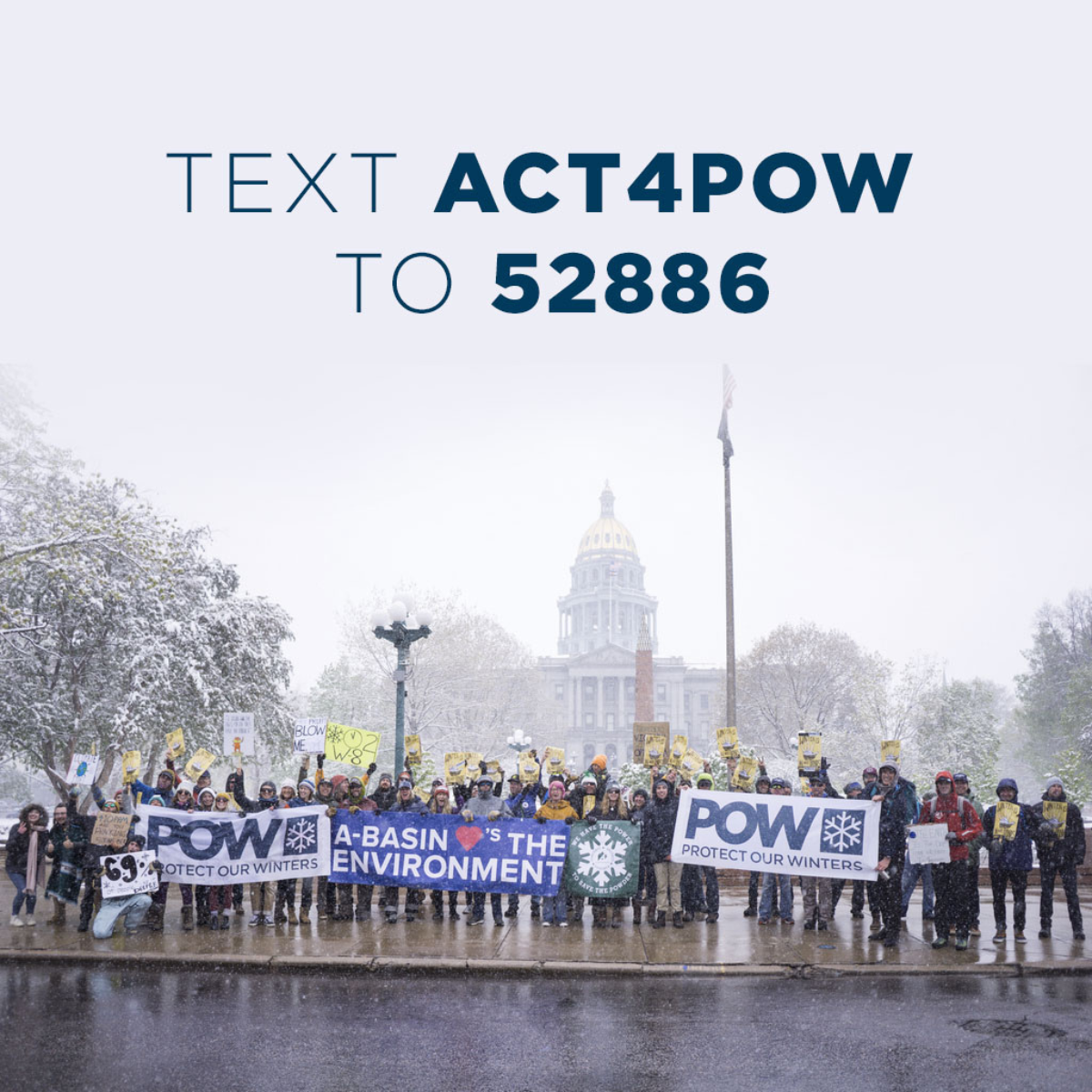
On the consumer side, I kept a constant on-the-ground presence where our community already gathered: experiential booths, voter registration drives, and advocacy activations at premier snowboard competitions and ski and snowboard film premieres. And I built fundraising into every event, so the program paid for itself — nearly 100% of our activations either covered their own costs or turned a profit.
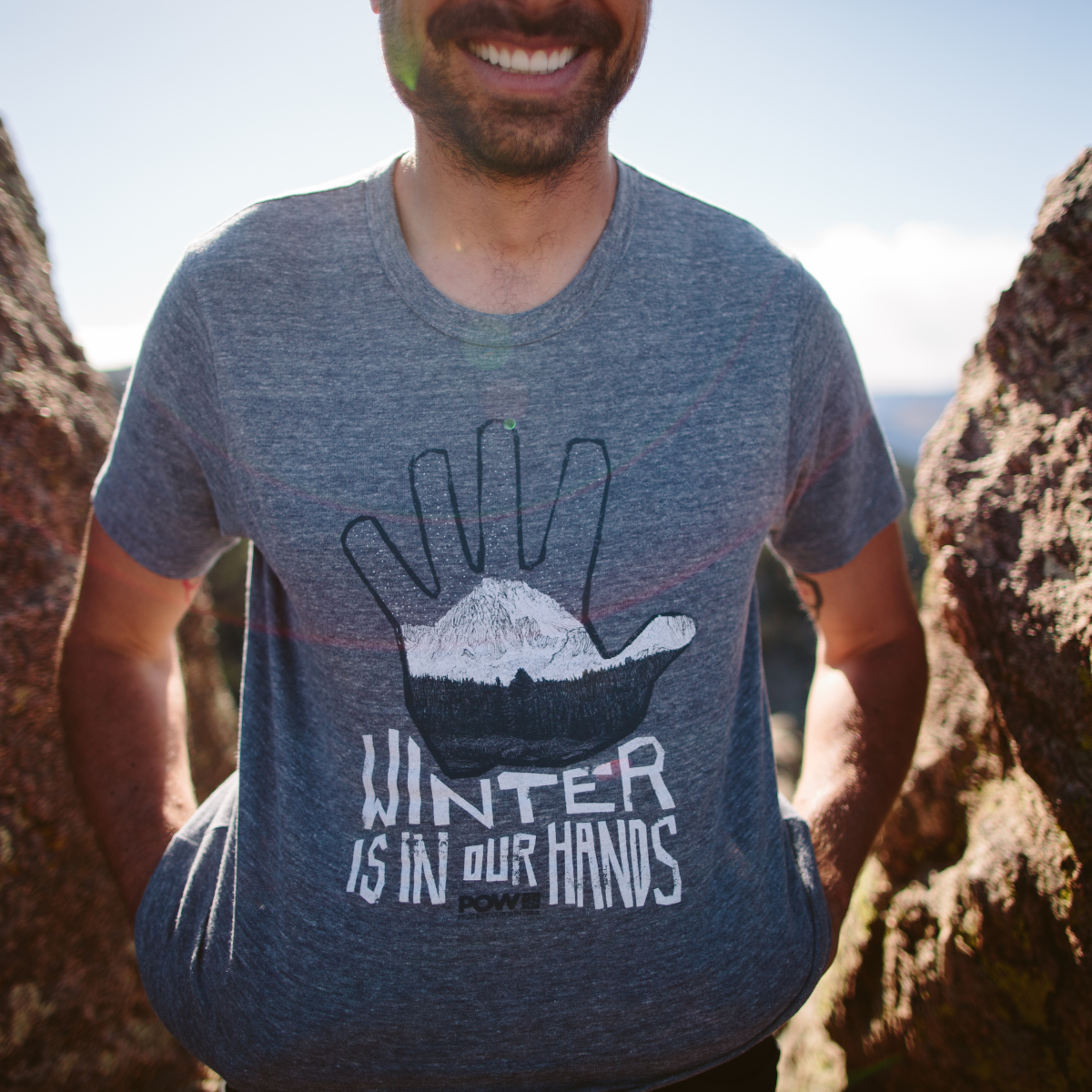
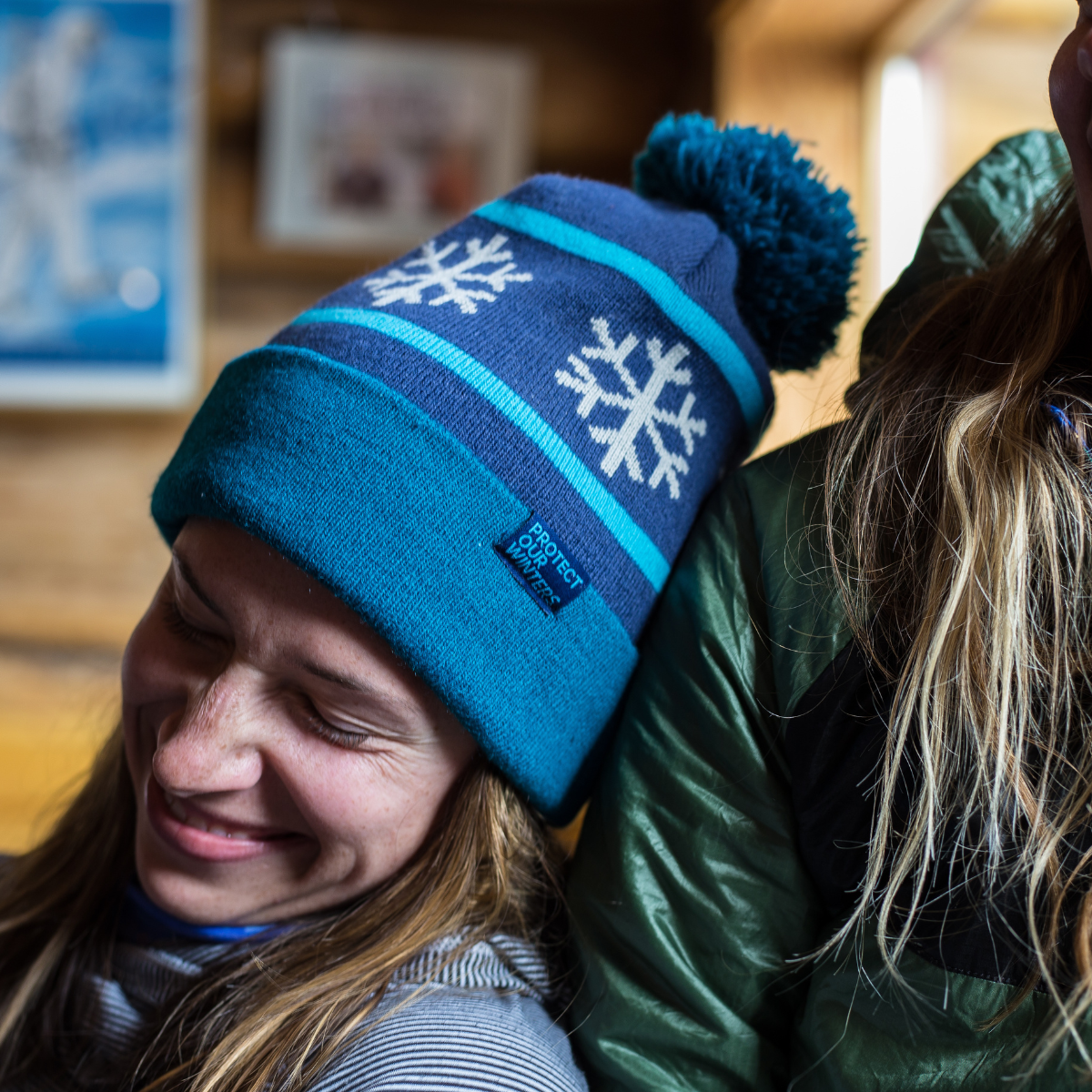
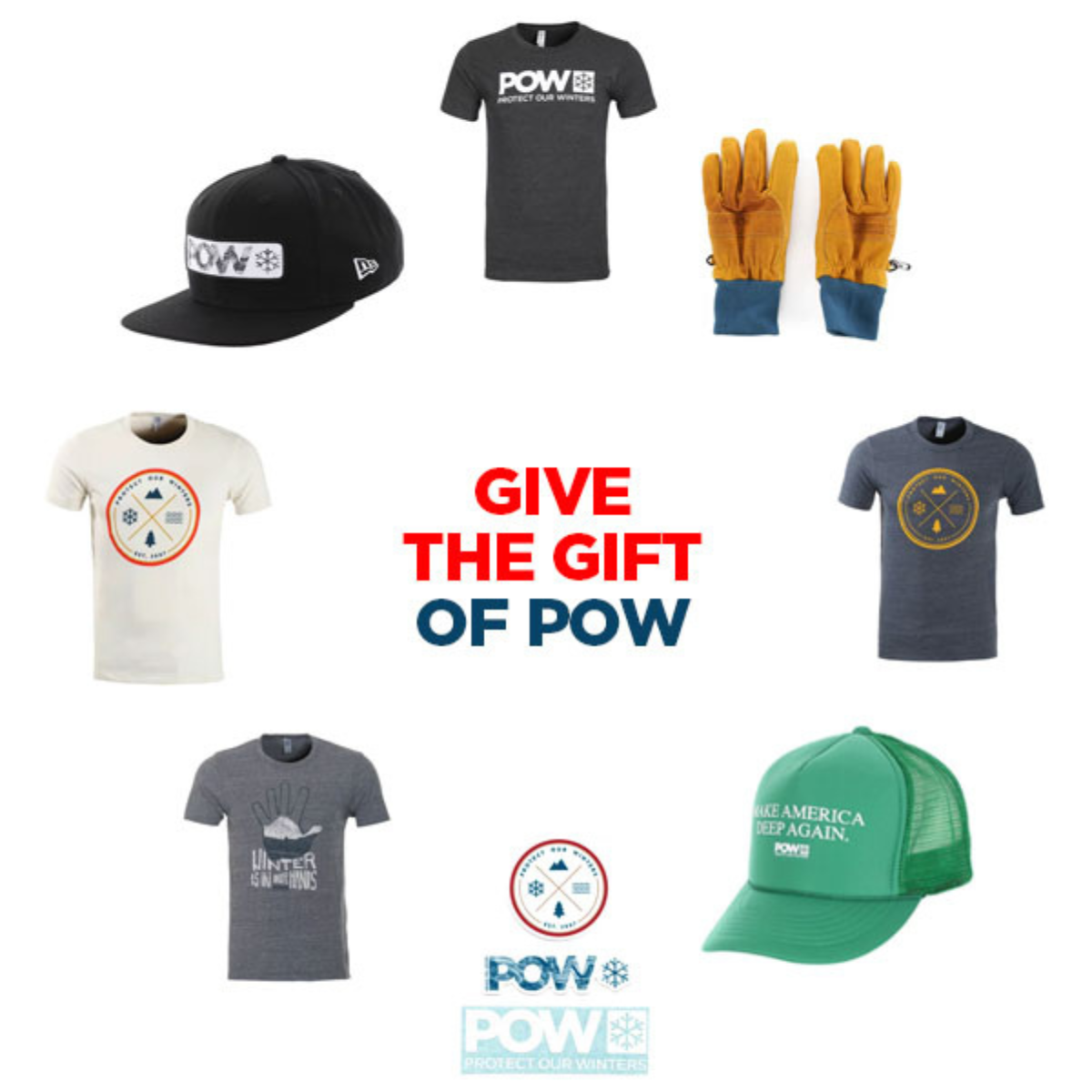
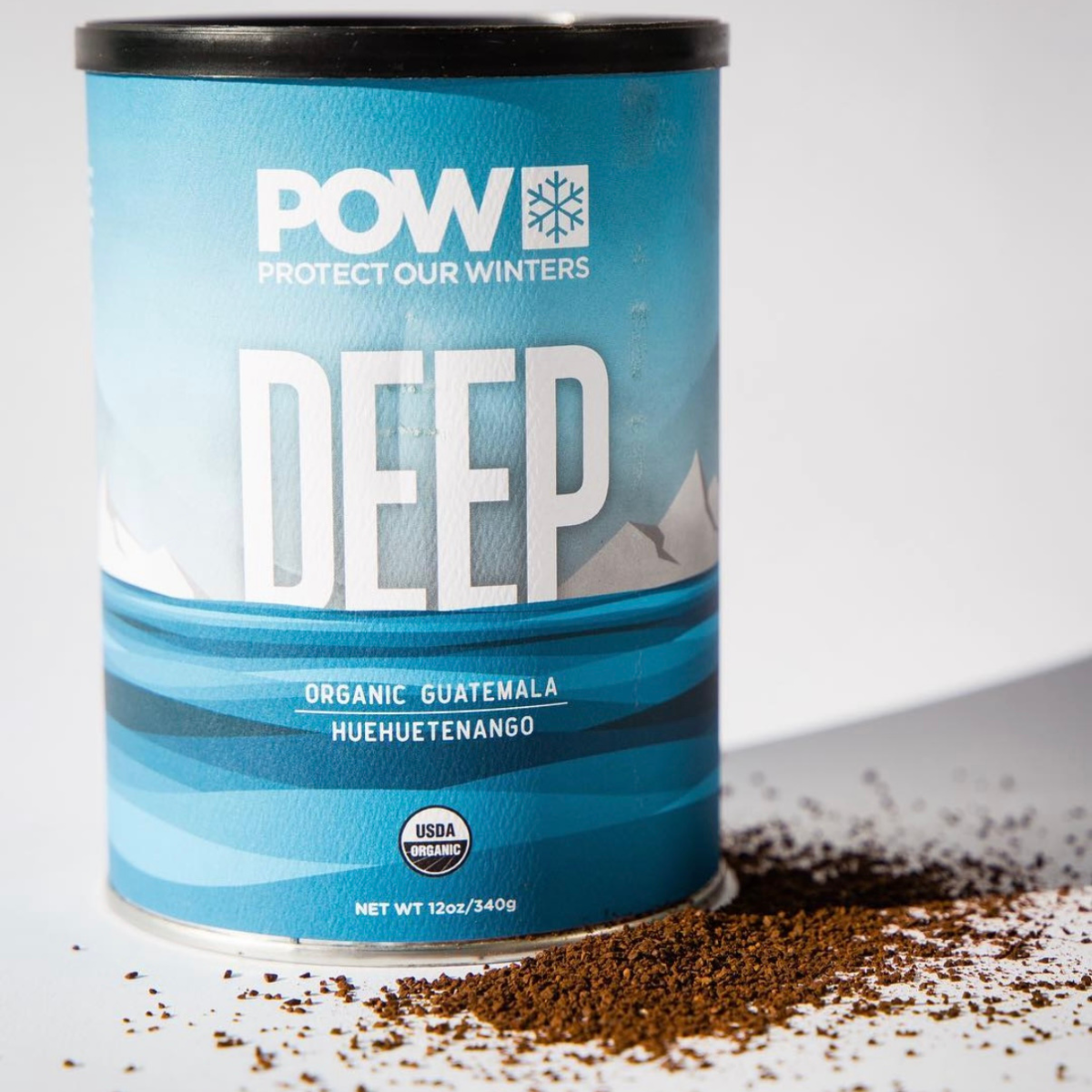
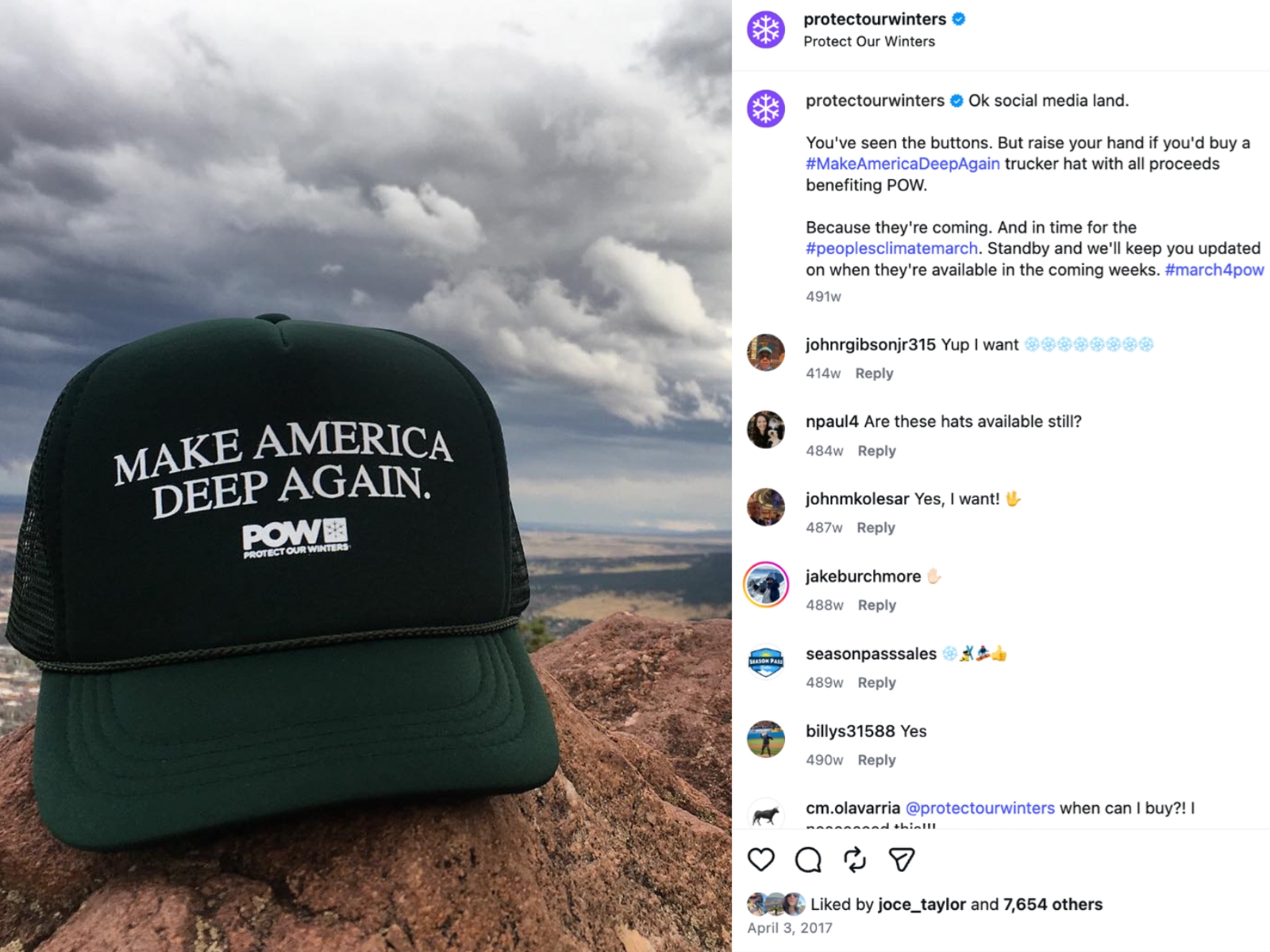
I also built the merchandise line from the ground up, managing the supply chain, sourcing ethical and US-made vendors where possible, and working with artists (and sometimes my own artwork) so the pieces were things people actually wanted to wear. The hat or the sweatshirt became a badge: proof you cared, and proof you belonged.
-
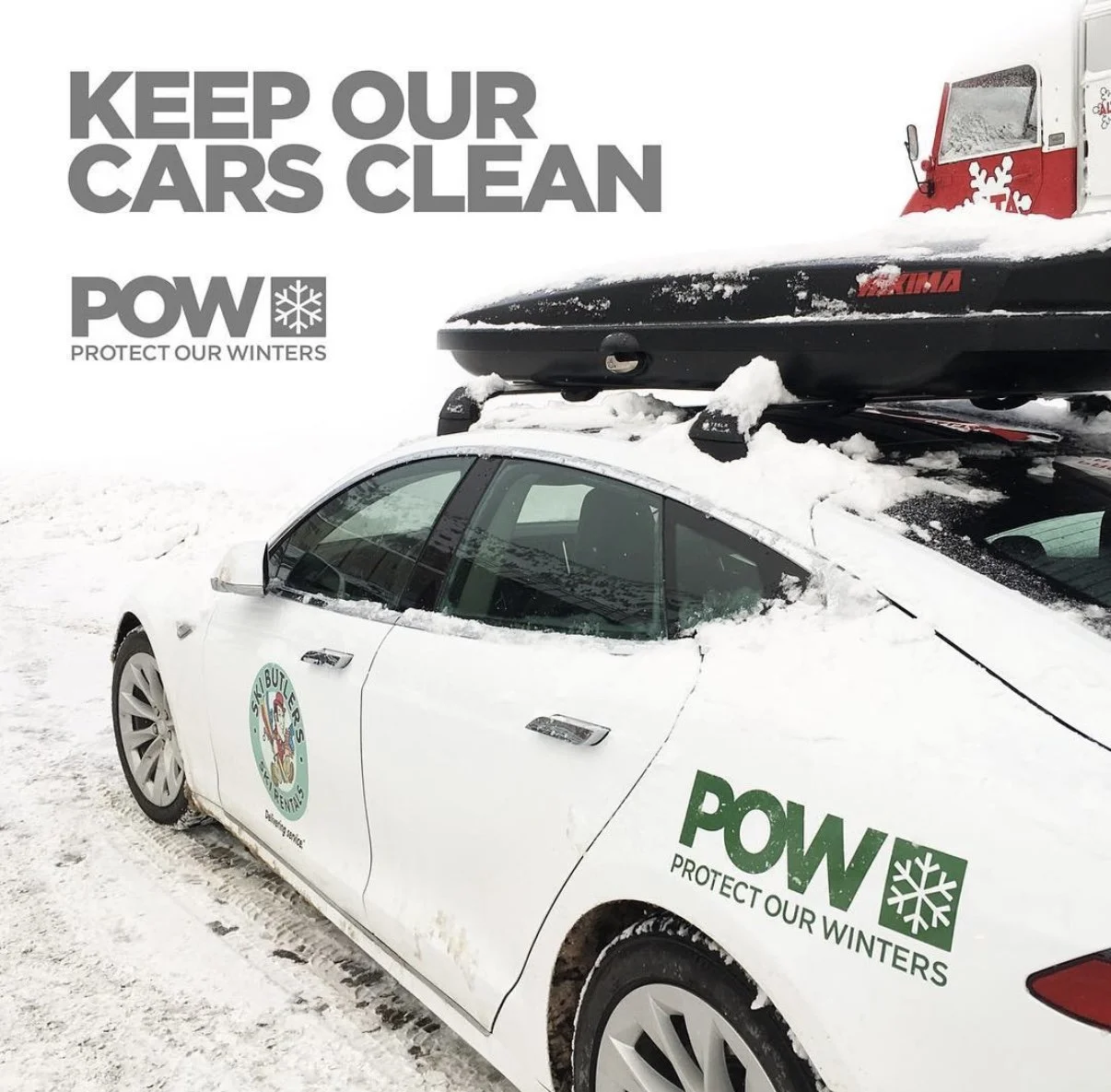
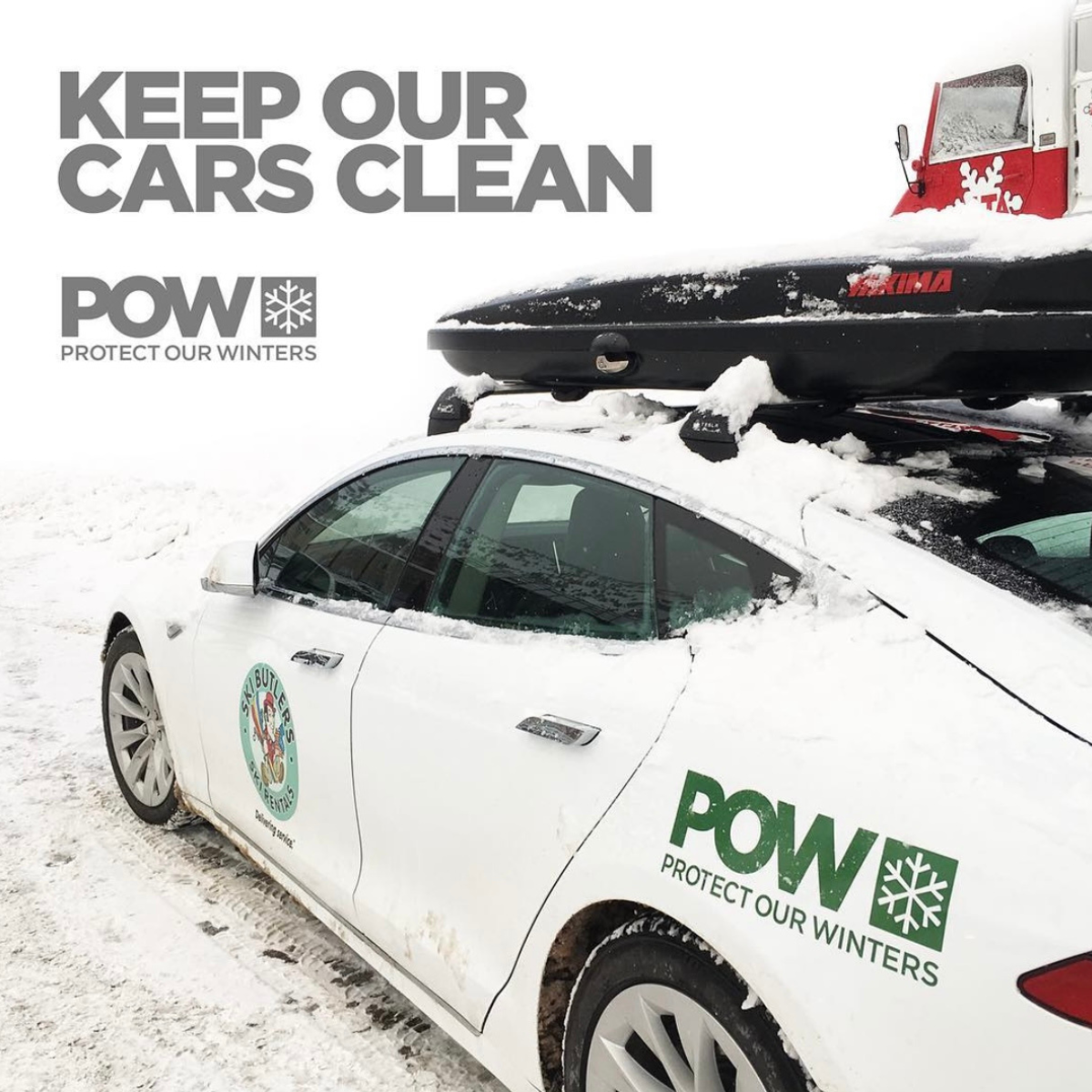
Thousands of voters registered and direct legislative pressure on dozens of issues. A 2017 Outdoor Retailer panel with Senator Mark Udall and Burton's CEO that drew over 400 people on a fraction of what competing parties spent. And merchandise that went from a side project to a community badge and a $250K annual revenue line for advocacy programs. Meeting people at the base of the halfpipe and in the middle of the convention floor turned industry executives into donors and everyday riders into lifelong constituents. The rest is impossible to measure in traditional metrics, but POW became the go-to advocacy organization in the outdoor community. To this day I smile when I see a car with a POW sticker on it.